EV light trucks are rapidly transforming last-mile delivery in urban logistics.
With their compact size, low noise, and high efficiency, these vehicles offer a practical solution to modern delivery challenges. Unlike traditional vans and full-size trucks, they can navigate narrow streets, reduce operating costs, and minimize environmental impact—all while supporting the same delivery volume.
In this article, we explore how EV light trucks are changing last-mile delivery—and why more businesses are adopting them in cities across the United States.
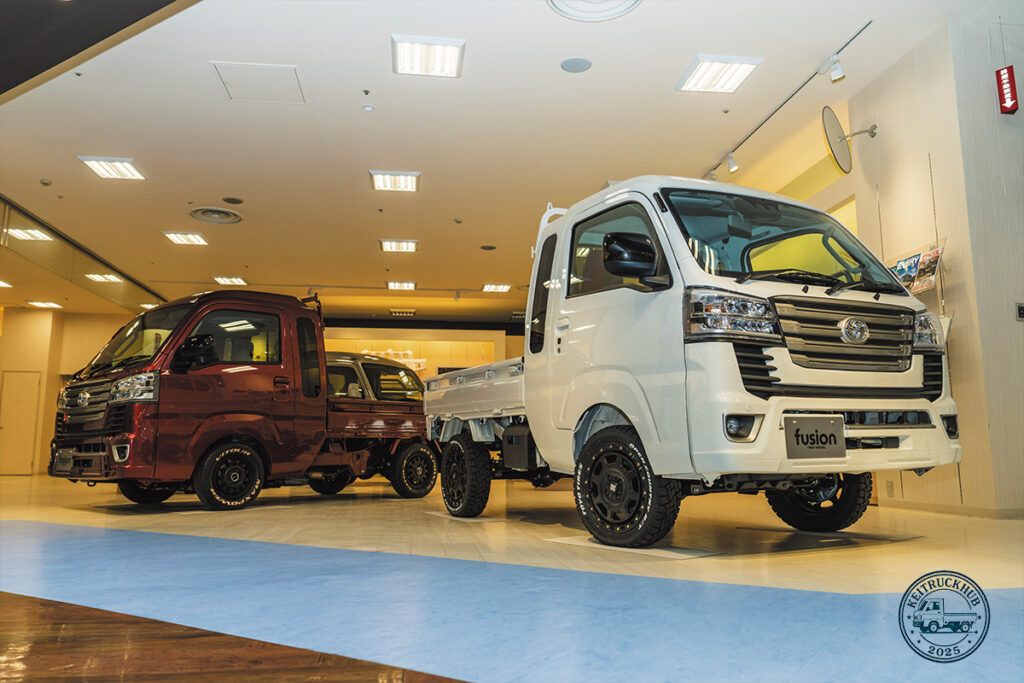
EV Light Trucks Lower Last-Mile Delivery Costs
One of the biggest advantages of EV light trucks is their ability to significantly lower operating costs in last-mile delivery.
Unlike gasoline prices, which fluctuate due to global markets and seasonal demand, electricity costs remain relatively stable. This allows businesses to predict expenses accurately and manage budgets with confidence.
EV light trucks are designed for short-distance, stop-and-go routes—making them far more energy-efficient than traditional delivery vehicles. Regenerative braking further reduces energy consumption in dense urban environments.
For businesses running fixed delivery routes—urban logistics, maintenance services, or local distribution—daily costs can be calculated with high precision based on electricity rates and mileage.
Real-World Cost Comparison
- Gas-powered light truck: $0.12–$0.15 per mile
- EV light truck: $0.03–$0.05 per mile
- Annual savings (10,000 miles/year): approximately $900–$1,200 per vehicle
For small fleets, these savings scale quickly—making EV light trucks a highly attractive option for last-mile delivery businesses. Pairing EV trucks with solar power or off-peak charging strategies can further reduce operating costs and increase energy independence.
Suzuki Tests Electric Kei Truck on Farms—Real-World Results
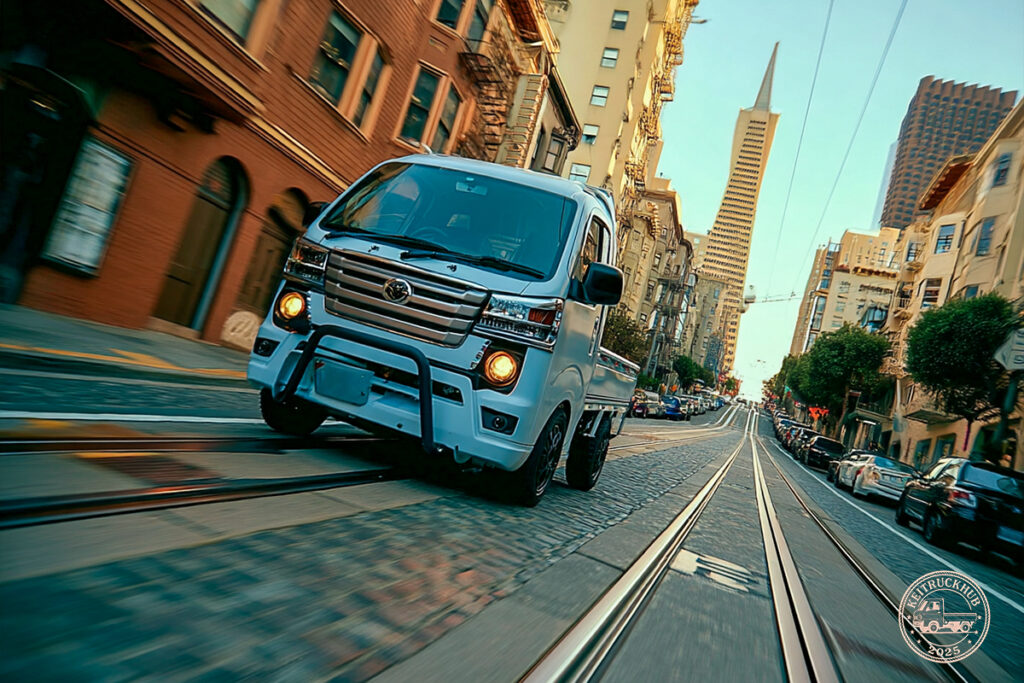
EV Light Trucks in Agriculture: Ideal for Short Routes
EV light trucks are especially well-suited for agricultural use, where routes are short, predictable, and repeated daily.
Unlike long-haul transport, farm operations typically involve short loops—moving between fields, barns, storage facilities, and local markets. This makes it easy to manage battery range and charging schedules.
Why EV Light Trucks Work Well in Agriculture
- Predictable short routes: Most farm work involves less than 30 miles per day—well within EV range
- Existing solar infrastructure: Many farms already use solar panels on barns or warehouses, allowing on-site charging
- Low-speed efficiency: Farm vehicles usually operate under 25 mph, where electric motors perform most efficiently with instant torque
- Reduced exhaust exposure: No emissions near livestock, crops, or workers
A Real-World Example
“My previous gas-powered mini truck cost about $40 per week in fuel. My electric Hijet costs around $8 in electricity. That’s nearly an 80% savings—and I no longer deal with exhaust fumes all day.” — Mike T., Oregon farmer
As more farms look for cost savings and sustainable operations, EV light trucks are becoming a practical and scalable solution.
EV Light Trucks as Mobile Power Sources in Emergencies
EV light trucks offer a unique advantage beyond transportation—they can function as mobile power sources during emergencies.
Equipped with high-capacity battery systems, these vehicles can supply electricity to homes, evacuation centers, and critical infrastructure through vehicle-to-load (V2L) technology. This dual-use capability allows them to operate as delivery vehicles in normal conditions and as backup power systems during disasters.
In recent years, pilot programs across the United States have explored using electric light trucks for emergency response. These vehicles can power essential devices such as lighting, refrigeration, and communication equipment when traditional infrastructure fails.
Power Capacity Comparison
- Portable gas generator: 3–5 kW (requires continuous fuel supply)
- EV light truck battery: 20–40 kWh (can power essential devices for 2–3 days)
Another key advantage is mobility. Unlike fixed generators, EV light trucks can reach remote or damaged areas where large emergency vehicles cannot operate. After severe storms on the U.S. East Coast, electric light trucks have been deployed in rural communities to support medical equipment and communication systems.
As climate-related disasters become more frequent, EV light trucks are emerging as practical tools for both logistics and emergency preparedness.

Challenges of EV Light Trucks in Real-World Use
Despite their many advantages, EV light trucks still face several real-world challenges that businesses must consider before adoption.
Higher Upfront Cost
Although battery prices are gradually decreasing, the initial purchase price of EV light trucks remains higher than comparable gasoline models.
- Gas-powered light truck (used/imported): $8,000–$12,000
- EV light truck (new): $18,000–$28,000
This means an upfront gap of roughly $10,000–$15,000.
However, lower operating costs can offset this difference over time. In many cases, businesses recover the investment within 3–5 years depending on usage. The federal Commercial Clean Vehicle Credit is no longer available for vehicles acquired after September 30, 2025. Some state and local incentives may still apply, so buyers should verify current programs before budgeting a fleet purchase. Leasing options are also emerging for small businesses.
Cold Weather Performance and Terrain Limitations
EV light trucks can face limitations in cold climates and rugged environments, making it important to understand their real-world performance.
In colder regions, battery efficiency can decrease due to heating demands, sometimes reducing driving range by 20–40% in extreme temperatures below 20°F. Snow, ice, and mountainous terrain can also affect traction and energy consumption, especially when climbing steep roads or operating on unpaved surfaces.
However, these challenges are not unique to EVs—they simply require proper planning:
- Use winter tires for cold-weather traction
- Optimize routes around charging stations
- Adjust driving habits for energy efficiency
- Plan around battery range in extreme weather
The key takeaway: EV light trucks are highly effective, but they must be matched to the right environment and use case.
Charging Infrastructure: The Key to EV Adoption
The expansion of charging infrastructure will play a critical role in how quickly EV light trucks are adopted across the United States.
In urban areas, charging is becoming increasingly accessible. Distribution centers, municipal garages, and commercial fleets can install charging stations with relative ease. However, rural areas still face challenges—farms, small warehouses, and remote facilities may struggle with limited electrical capacity or lack of charging infrastructure.
This creates a temporary imbalance where EV adoption progresses faster in cities than in rural regions.
Despite this, the long-term outlook is promising. As infrastructure investments increase, and as more businesses adopt solar and local energy systems, EV light trucks could operate within self-sustaining energy ecosystems.
One major advantage remains clear: EV light trucks are not dependent on fuel supply chains, making them more resilient in times of disruption.
Are Kei Trucks Eco-Friendly? The Environmental Case

2026: A Transition Year
Around 2026, EV light trucks are expected to move from pilot programs into real-world, large-scale operations across the United States.
Early Adopters Are Leading the Way
Leading companies and local governments are already collecting data and refining use cases. As these early results prove successful, adoption is likely to accelerate across multiple regions.
Current pioneers include:
- Amazon: testing EV light trucks for neighborhood last-mile delivery
- Seattle Parks Department: converting maintenance fleets to electric
- Colorado vineyards: replacing gas-powered utility vehicles with EV mini trucks
The Real Question
The key question is no longer whether EV light trucks work—but how to position them effectively.
Can they be used not just as a “green image strategy,” but as practical tools that balance cost efficiency, operational flexibility, and environmental impact?
As real-world ROI data continues to emerge—cost savings, reduced maintenance, and improved driver experience—the next wave of adoption will likely scale rapidly.
How EV Light Trucks Are Transforming Communities
As EV light trucks become more widely adopted, their impact goes far beyond cost savings. They are beginning to reshape how local communities function and feel.
Quieter, Safer Streets
Fewer idling delivery trucks in residential areas means less noise, cleaner air, and safer streets. This is especially important in neighborhoods with children and elderly residents.
Studies have linked traffic noise to health issues such as hypertension and sleep disorders. By reducing both noise and emissions, EV light trucks contribute directly to healthier urban environments.
Even small changes have a big impact. Replacing just a handful of traditional delivery vehicles with electric light trucks can noticeably improve a neighborhood’s atmosphere.
Mobile Branding and Local Identity
EV light trucks are not just work vehicles—they can become part of a city’s identity.
Companies and municipalities are increasingly using them as “moving billboards,” featuring local branding, artwork, and custom designs. In cities like Portland, EV fleets are being used to showcase local artists, turning delivery vehicles into mobile public art.
As adoption grows, EV light trucks will play an even bigger role in connecting sustainability with local culture and identity.
Why Kei Trucks Are Perfect for Cities
Strategic Electrification: Balancing EV and Gas Light Trucks
It’s neither realistic nor necessary to convert all light trucks to EVs at once. The key is to adopt a strategic, phased approach.
A Practical Approach
In cold climates or operations involving long-distance travel, gasoline-powered light trucks may remain the better option for now. The goal is not full electrification—it’s optimization.
Businesses should carefully evaluate which routes and use cases benefit most from EV light trucks, balancing cost, performance, and operational reliability.
Smart Transition Strategy
- Start with high-use, short-route vehicles
- Collect real-world performance data over 12–18 months
- Expand EV adoption based on proven ROI
- Maintain gas vehicles for edge cases (long-distance, extreme weather)
This hybrid approach reduces risk while maximizing the benefits of electrification. As operators refine their strategies, EV light trucks will continue to grow—not as a replacement for everything, but as a highly effective solution where they make the most sense.
The Quiet Revolution: Small Changes, Big Impact
Even small changes can significantly improve the atmosphere and energy flow of a city. EV light trucks are a perfect example of how incremental adoption leads to meaningful transformation.
The Compound Effect
- One EV light truck can reduce approximately 4 tons of CO₂ emissions annually
- Ten trucks can eliminate the noise equivalent of a small diesel fleet
- One hundred trucks can fundamentally reshape a city’s last-mile delivery ecosystem
These small-scale changes accumulate into large, high-impact results. EV light trucks are not just vehicles—they are catalysts for quieter, cleaner, and more efficient urban environments.
Change That Happens Quietly
This transformation doesn’t happen overnight—but it happens steadily.
EV light trucks won’t announce themselves with loud engines or flashy campaigns. Instead, their impact is subtle, practical, and continuous. Over time, they quietly reshape how cities operate and how people experience daily life.
EV light trucks are redefining:
- Urban logistics (cleaner, quieter cities)
- Agricultural operations (lower costs, sustainable practices)
- Disaster response (mobile power and resilience)
- Community environments (safer, more livable streets)
This is not a distant future. It’s a gradual change happening right now.
Conclusion: The Future of Last-Mile Delivery
EV light trucks are not flashy like Teslas or controversial like Cybertrucks. They are practical tools—becoming quieter, cleaner, and more cost-efficient with each year.
For businesses, they reduce operating costs while improving sustainability goals. For cities, they help lower noise pollution and emissions. For farms and local operators, they integrate naturally with existing infrastructure such as solar power.
The last mile has long been the most expensive and inefficient part of logistics. EV light trucks are solving this problem—not with complex innovation, but with simple, well-matched technology.
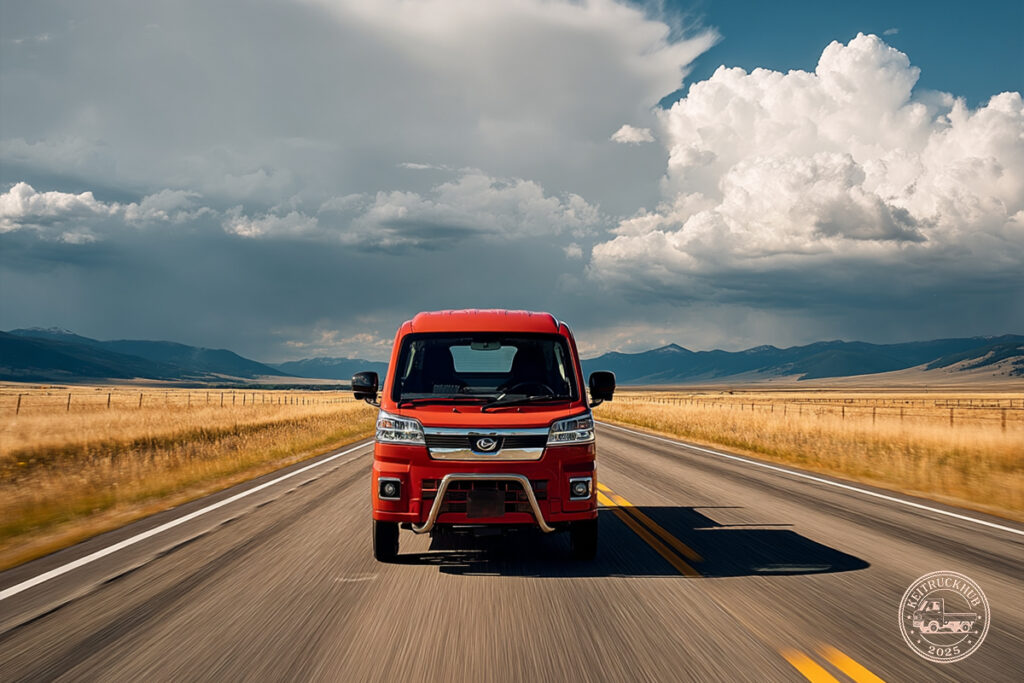
The Bottom Line
EV light trucks offer a smarter way to handle last-mile delivery—especially in urban logistics, short-route operations, and low-speed environments.
As adoption grows, these compact electric trucks will play a key role in building more sustainable, efficient, and human-friendly transportation systems.
The future of delivery isn’t bigger. It’s lighter, quieter, and electric.
If you’re considering EV light trucks for your business, now is the time to start small and scale smart.
Frequently Asked Questions
Q1. How much can a business save by switching to EV light trucks? Average operating cost savings range from $900–$1,200 per vehicle per year (based on 10,000 miles). For small fleets of 5–10 vehicles, annual savings can exceed $10,000.
Q2. Are EV light trucks legal to drive in the U.S.? EV light trucks must meet the same state-by-state street-legal rules as gasoline kei trucks. Many states allow them on local roads with speed restrictions. How to Make a Kei Truck Street Legal in the USA
Q3. What is V2L technology and why does it matter? Vehicle-to-Load (V2L) allows an EV’s battery to power external devices—such as tools, appliances, or emergency equipment. This turns delivery trucks into mobile power sources during outages.
Q4. How long does it take to charge an EV light truck? Charging time varies by battery size and charger type. A typical EV light truck charges in 6–8 hours on a Level 2 charger, or 30–60 minutes on a DC fast charger.
Q5. Are EV light trucks reliable in cold weather? Yes, but range can drop 20–40% in extreme cold below 20°F. Proper planning, winter tires, and route optimization keep them practical year-round.
Next Steps
Want to learn more about kei trucks and the future of small-vehicle logistics? Explore these guides:
- Suzuki Tests Electric Kei Truck on Farms—Real-World Results
- Why Kei Trucks Are Perfect for Cities
- Are Kei Trucks Eco-Friendly? The Environmental Case
- How Kei Trucks Are Imported to the U.S.
- Top 8 Kei Trucks in 2025: Best Mini Trucks from Japan
Disclaimer
This article is for general informational purposes only and does not constitute legal, financial, or business advice. EV regulations, tax incentives, and street-legal status vary by state and county. Always consult your local DMV, state energy office, and a qualified business advisor before making fleet decisions.
Sources and Verification
- U.S. EPA — electric-vehicle emissions and operating context
- IRS — Commercial Clean Vehicle Credit and the September 30, 2025 acquisition cutoff
- Daihatsu — 2026 e-Hijet Cargo and e-Atrai launch information
- Editorial archive: Magazine Daichi / Kei Truck Kingdom (licensed source material).
Sources checked: July 24, 2026.
Written by KeiTruckHub Editorial Desk Editorial review: Kei Truck Kingdom editorial team Last updated: June 29, 2026