Most kei trucks in the U.S. are appreciated for their simplicity, fuel efficiency, and compact size. But in Japan, a growing number of specialist shops are taking these mini trucks in a completely different direction — turbocharging them for serious performance gains.
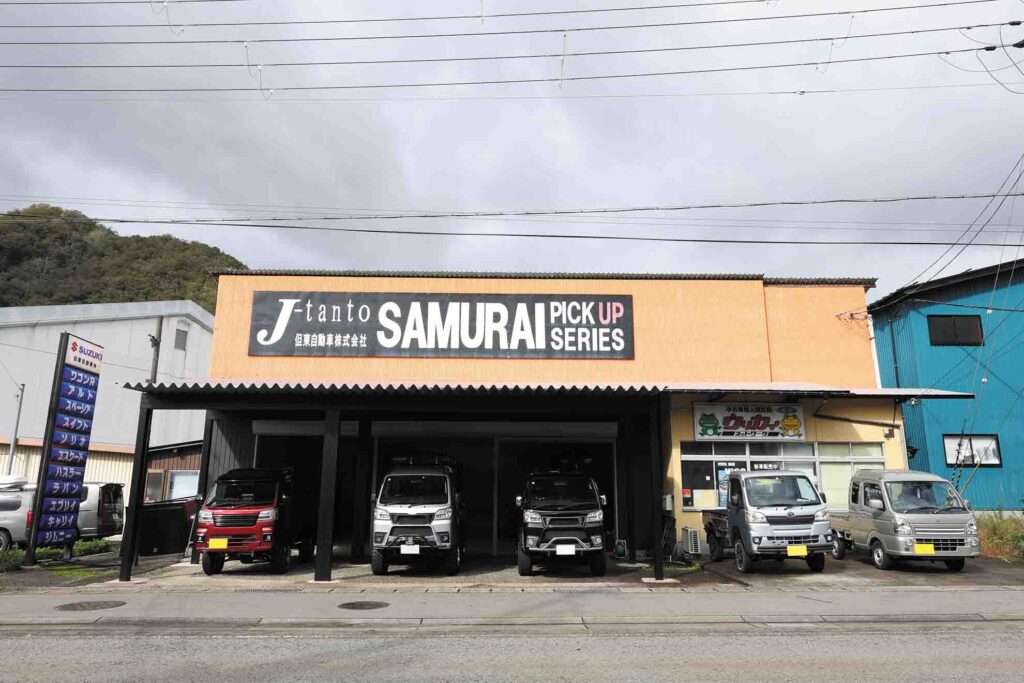
In this article, we take a closer look at how a Japanese specialist shop approaches a full turbo build on the Daihatsu Hijet Truck Jumbo, based on a feature originally documented in Kei Truck Kingdom magazine. The build was carried out by Tanto Jidosha, a kei truck specialist based in Toyooka, Hyogo Prefecture.
For U.S. readers curious about the upper limits of kei truck modification, this is a useful window into what’s actually possible.
Why Turbocharge a Kei Truck?
The standard 660cc kei truck engine produces around 46–50 PS in stock form. That’s enough for everyday work, but it’s not designed for sustained high-speed driving or heavy payloads on hills.
A properly engineered turbo conversion can address several real-world limitations:
- Improved highway and uphill performance
- Better towing and payload capability
- More usable power without violating kei vehicle dimensional regulations
- Significantly stronger response when fully loaded
The catch is that a kei truck turbo build isn’t a simple bolt-on job. Done correctly, it requires engine internal work, supporting hardware, and careful tuning.
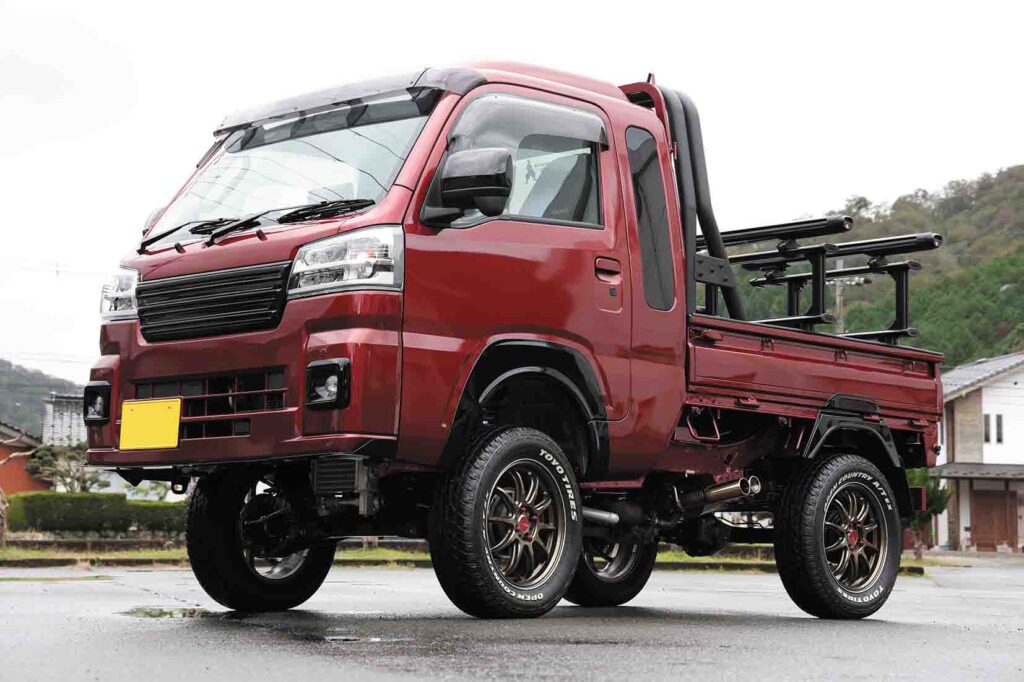
The Featured Build: S510 Hijet Truck Jumbo (5MT)
Tanto Jidosha’s standard turbo specification for the S510 Hijet Truck Jumbo represents a complete approach — not just adding a turbocharger, but rebuilding the engine to handle the additional load reliably.
Engine and Forced Induction Hardware
The core of the build includes:
- IHI turbocharger — a Japanese-engineered forced induction unit
- Turbo-specific pistons — replacing the factory naturally-aspirated pistons
- Modified engine block — partial machining to accommodate the new internals
- HKS F.CON iS sub-computer — for fuel and ignition tuning
- Intercooler — to reduce intake air temperatures
- Large-capacity radiator — for cooling under sustained boost
- Oil cooler — to manage engine oil temperatures
- Lightweight flywheel — for sharper throttle response
- Quick-shift conversion — for the manual transmission
This is a serious build — not a casual upgrade. Each component is selected to work with the others, and the engine internals are reinforced specifically for boosted operation.
Monitoring and Instrumentation
The cabin gets a full Defi gauge cluster to monitor:
- Water temperature
- Oil temperature
- Oil pressure
- Engine RPM
- Boost pressure
These aren’t just cosmetic additions. For a turbocharged kei truck engine, real-time monitoring of these parameters is essential for long-term reliability.

Supporting Modifications
Beyond the engine work, Tanto Jidosha’s build includes a coordinated set of supporting upgrades to match the increased performance.
Supporting Modifications
Beyond the engine work, Tanto Jidosha’s build includes a coordinated set of supporting upgrades to match the increased performance.
| Component | Price (JPY) | Approx. USD |
|---|---|---|
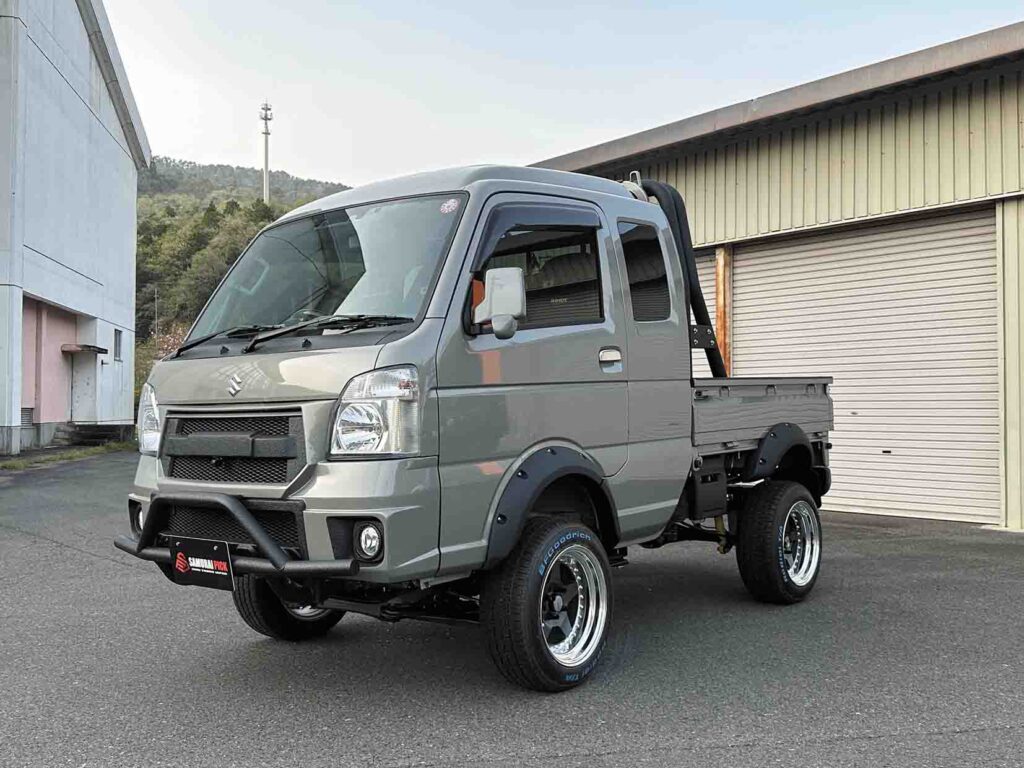
| 500-series 4-inch lift kit (front coilover type) | ¥126,500 | $843 |
| Fender protectors (street legal) | ¥59,400 | $396 |
| 500-series Hijet diffuser | ¥31,900 | $213 |
| 500-series Hijet front grille | ¥31,900 | $213 |
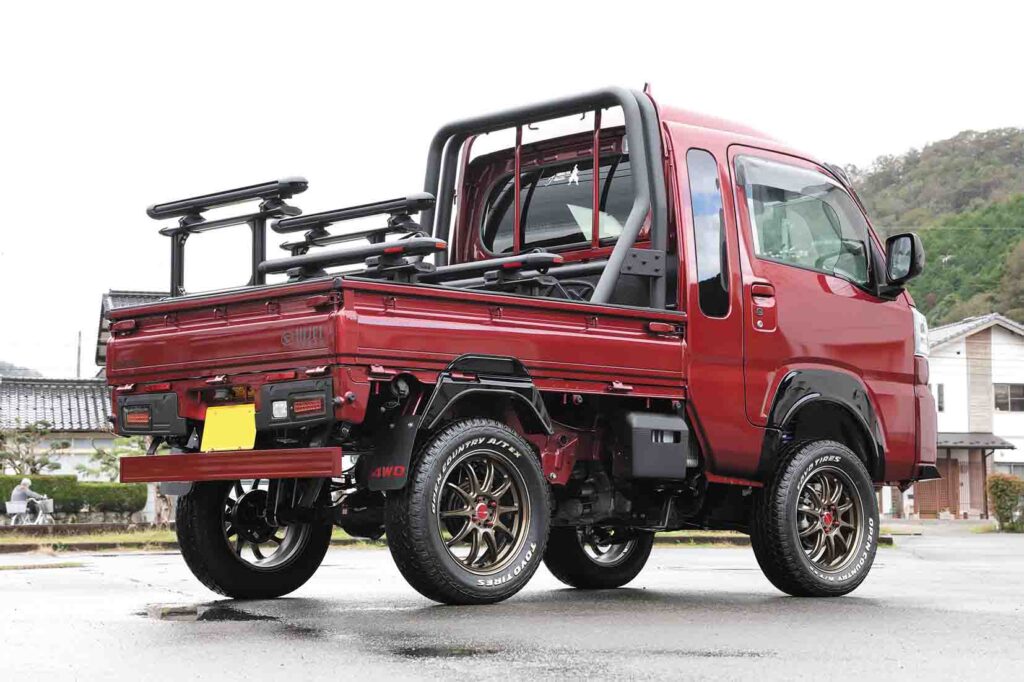
| Jumbo roll bar (black) | ¥105,600 | $704 |
| Tow rail (60 cm, 2-stage) | ¥25,300 | $169 |
| 500-series rear collision bar | ¥38,500 | $257 |
| Turbo-specific side-exit dual exhaust | ¥82,500 | $550 |
All prices include Japanese tax. Exchange rate as of November 2025. Pricing applies to the Japanese domestic market.
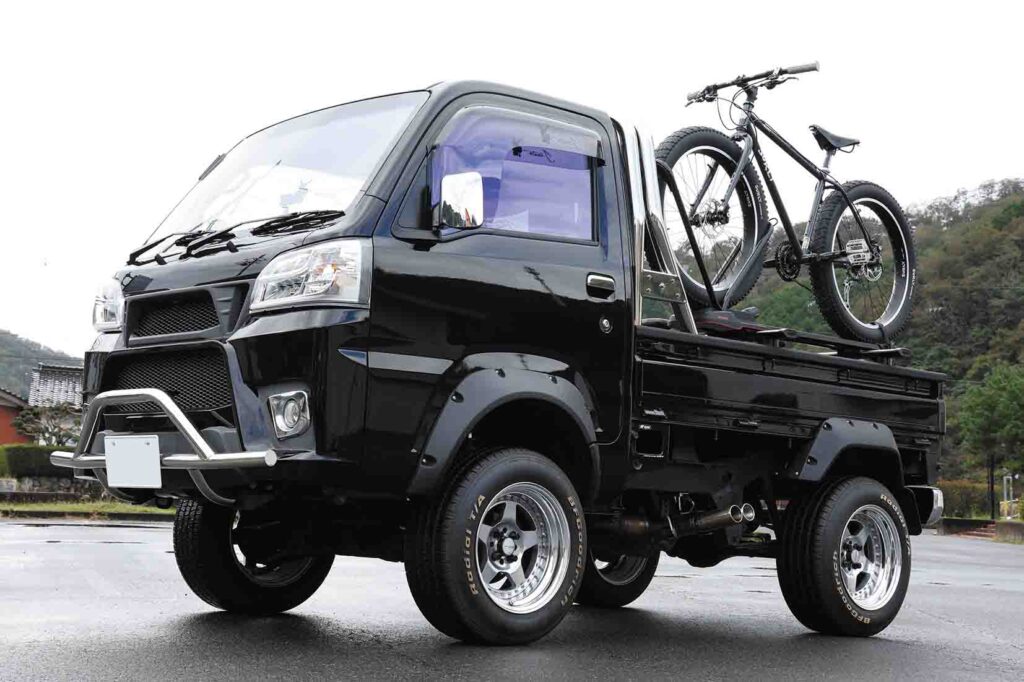
These additions serve a clear purpose. The lift kit and fender protectors handle the visual transformation. The roll bar and rear collision bar address safety. The turbo-specific exhaust is engineered to handle the additional gas flow that a stock exhaust can’t accommodate.
The Advanced Build: 5-Inch Lift Configuration
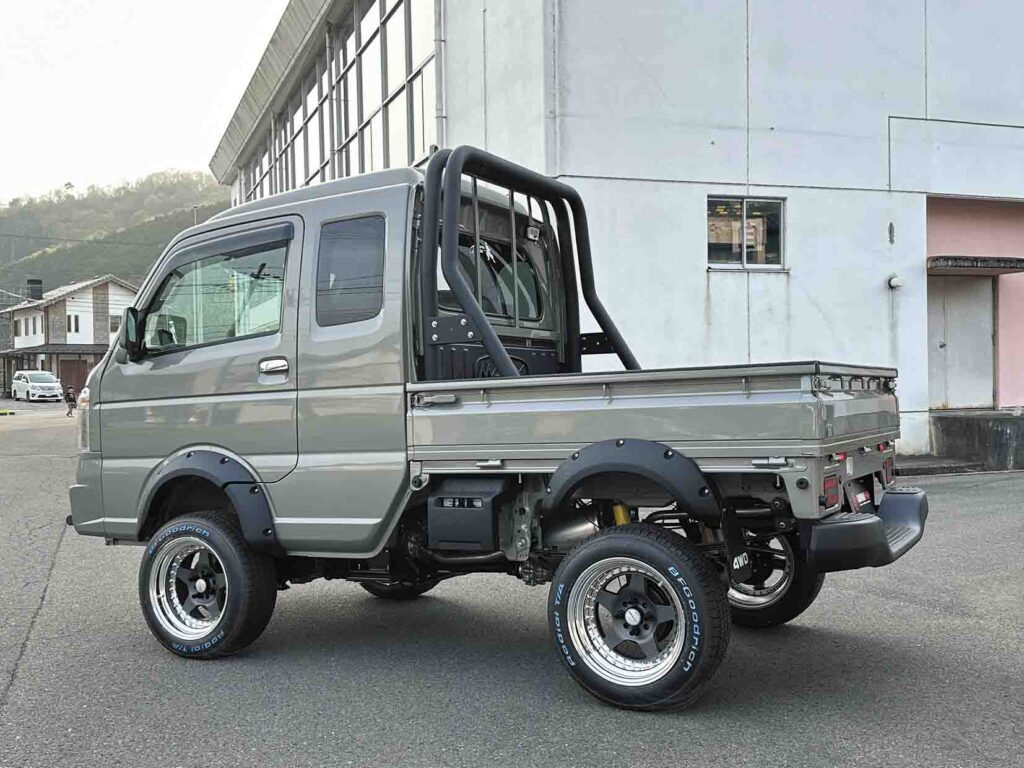
Tanto Jidosha also offers a more aggressive configuration of the same fundamental turbo build, paired with a taller 5-inch suspension setup.
| Component | Price (JPY) | Approx. USD |
|---|---|---|
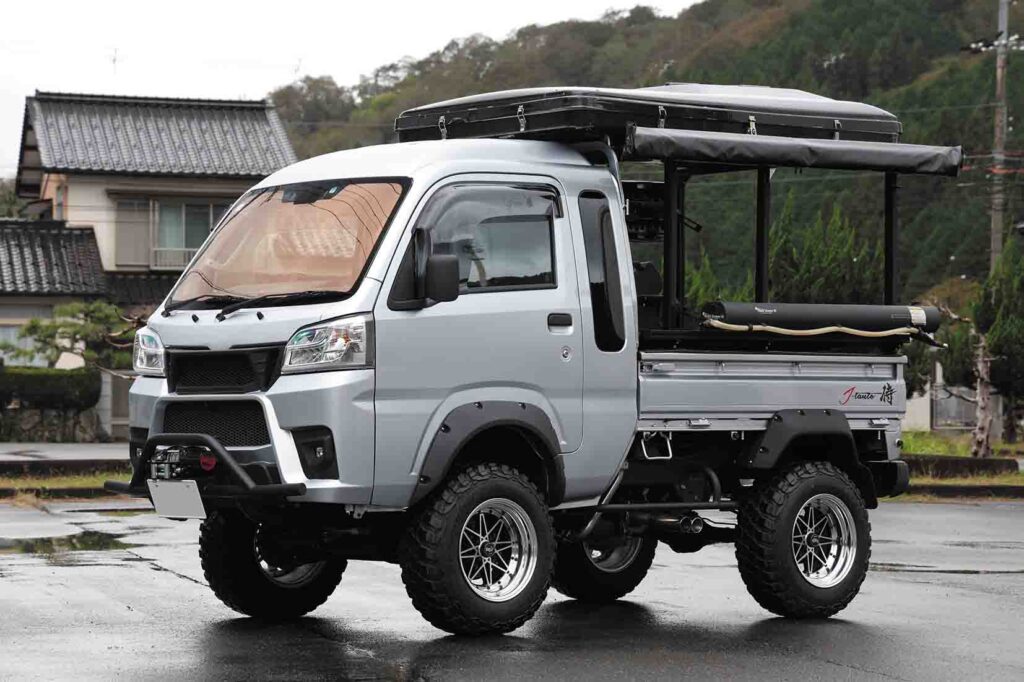
| 500-series 5-inch lift kit (front/rear coilover type) | ¥319,000 | $2,127 |
| Over fenders (70 mm width) | ¥74,800 | $499 |
| 500-series Hijet front aero bumper | (Price varies) | — |
Exchange rate as of November 2025. Pricing applies to the Japanese domestic market.
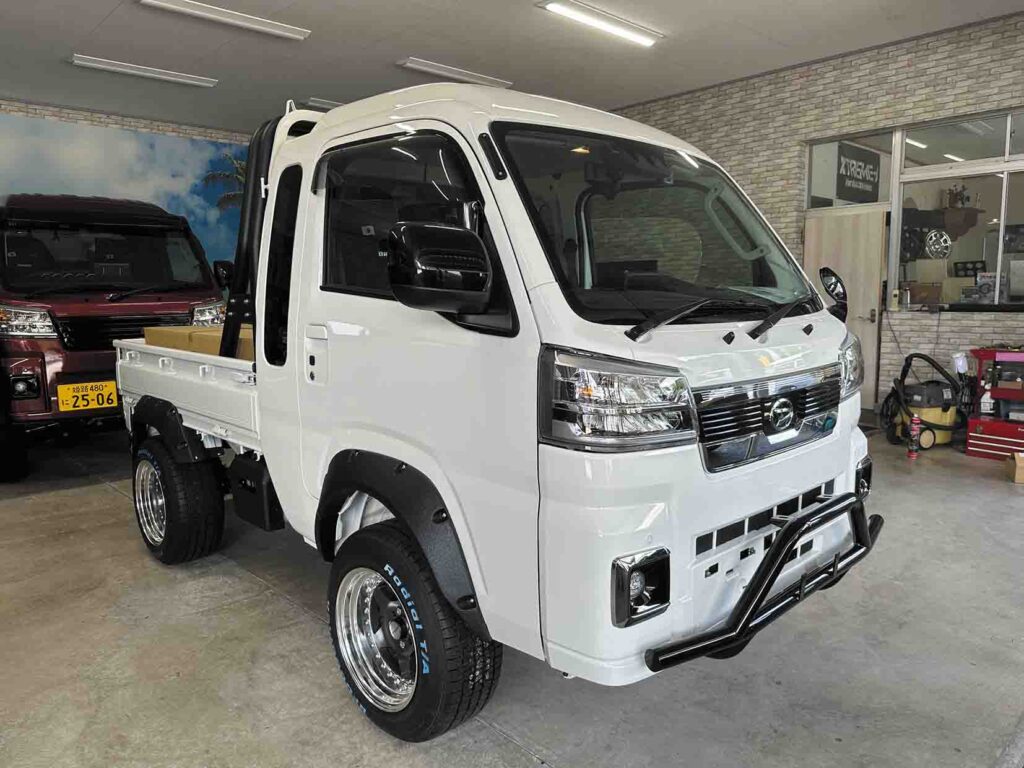
The 5-inch configuration is closer to a full off-road or showcase build. It maintains the same turbocharged drivetrain but adds significant exterior presence — wider fenders, a more aggressive front bumper, and a substantially taller stance.
What This Build Demonstrates
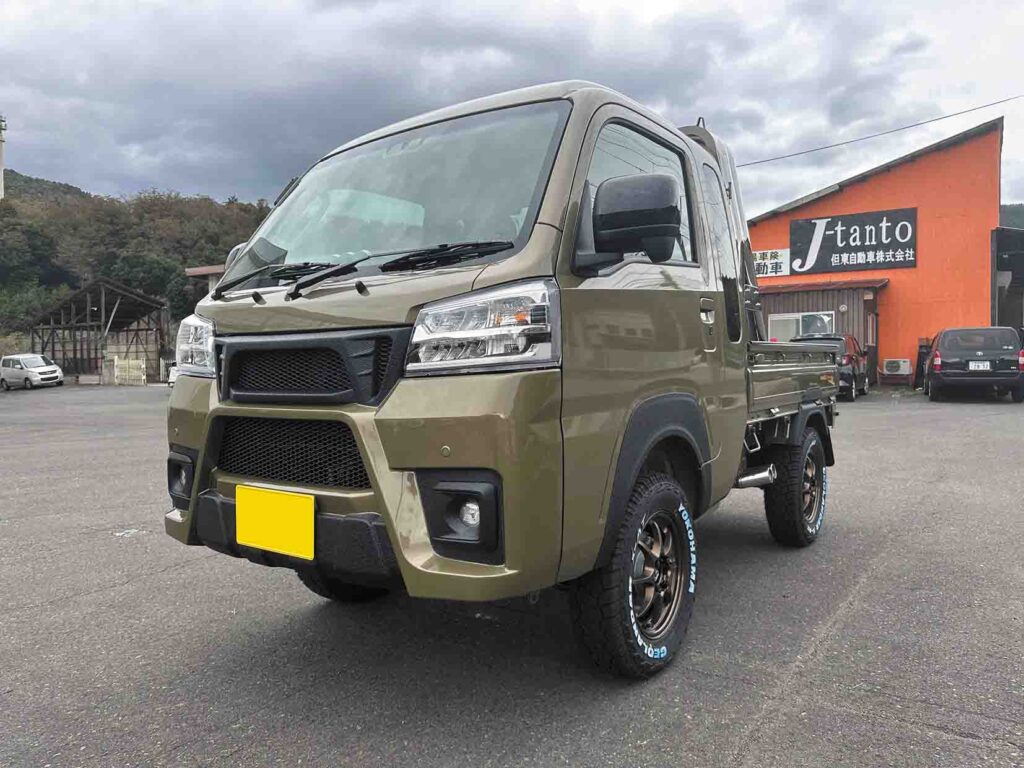
For U.S. readers, the most important takeaway isn’t necessarily the specific parts list. It’s what a build like this reveals about the kei truck modification ecosystem in Japan.
1. Serious Engineering, Not Casual Modifications
A proper turbo build involves engine internals, supporting cooling systems, and tuning hardware. It’s not a weekend project. Japanese specialist shops approach these builds with the same rigor as performance car tuning shops.
2. Integrated Builds Over Bolt-On Parts
Notice how the engine work, suspension, exhaust, and safety equipment are all selected to work together. This is a coordinated build, not a collection of unrelated upgrades.
3. Specialist Knowledge Matters
Working with a shop that has experience in kei truck turbo conversions makes a significant difference. The shop’s understanding of how a 660cc engine handles boost, what internals are needed, and how to tune the system safely is what separates a reliable build from an expensive failure.
For broader context on how the kei truck customization scene is evolving, see Why Complete Kei Truck Builds Are Becoming Popular.
What This Means for U.S. Readers
Most U.S. kei truck owners aren’t going to commission a full turbo build like this — at least not yet. But understanding what’s possible has practical value.
For owners considering performance upgrades:
- Realistic expectations for what a turbo conversion involves
- Awareness of the supporting components that are actually necessary
- A reference point for evaluating offers from U.S.-based shops
For future imports:
- The vehicles entering the U.S. under the 25-year rule in coming years will include trucks built by shops like this
- A turbocharged kei truck import is a meaningfully different vehicle from a stock one
- Documentation of the original build specification matters when these trucks eventually reach U.S. shores
FAQ
Can I turbocharge a kei truck in the U.S.? Yes, technically, but it’s significantly more complex than typical bolt-on modifications. You’ll need parts sourcing, engine machining capability, and ideally a shop with kei truck experience. Most U.S. owners who want a turbo kei truck import one that was already built in Japan.
How much does a full turbo build like this cost? The featured Tanto Jidosha standard turbo build, including the parts listed above, exceeds ¥800,000 (approximately USD $5,300) in parts alone, before engine work and labor. Full builds typically reach significantly higher totals.
Is a turbocharged kei truck street legal in Japan? Yes, when the work is done by a qualified shop and the modifications comply with Japan’s vehicle inspection (shaken) standards. Compliance requirements are strict but achievable with proper engineering.
Does turbocharging reduce reliability? Properly engineered turbo builds — with reinforced internals, adequate cooling, and proper tuning — can be very reliable. Improperly done conversions can damage the engine quickly. The quality of the build matters more than the concept.
Can I import a pre-built turbocharged kei truck to the U.S.? Yes, under the federal 25-year rule, modifications made in Japan transfer with the vehicle. State-level registration may have additional requirements, so always confirm with your local DMV before importing a modified vehicle.
Final Thought
This build represents one specific approach to kei truck modification — a serious, fully integrated turbo conversion carried out by a Japanese specialist shop. It’s not what most kei truck owners need or want, but it shows the depth of expertise available in Japan’s kei truck ecosystem.
For U.S. readers, builds like this offer a glimpse into what kei trucks can become in skilled hands. Whether you’re planning your own upgrades or simply curious about the upper limits of the platform, this kind of professional build sets a useful benchmark.
Disclaimer
This article describes a vehicle built and registered in Japan. U.S. import eligibility depends on the federal 25-year rule, and state-level registration of modified imports varies significantly. Always confirm current requirements with your local DMV, NHTSA, EPA, and CBP before importing or registering a modified kei truck.
Sources
- Source: Kei Truck Kingdom / Magazine Daichi
- Photo credit: Kei Truck Kingdom / Magazine Daichi
- Featured shop: Tanto Jidosha (Toyooka, Hyogo, Japan) — https://www.tantojidosha.jp
Last verified: June 2026
Next Steps
- Why Complete Kei Truck Builds Are Becoming Popular
- Best Kei Truck Interior & Exterior Upgrades Guide
- Why People Enjoy Customizing Kei Trucks
- Daihatsu Hijet Truck Update: Smarter Safety & Changes
- Kei Truck Full Bumper Kit: Fusion Vol.2 for Suzuki Carry
Written by KeiTruckHub Editorial Desk Editorial review: Kei Truck Kingdom editorial team Last updated: June 29, 2026