Are kei trucks really safe?
It’s a fair question. These compact vehicles are smaller than most pickups on American roads, yet they’re used every day in demanding environments—farms, construction sites, mountain roads, and busy urban delivery routes in Japan.
In this guide, we’ll look at how kei trucks maintain safety through inspections, regulations, modern technology, and—most importantly—driver awareness. As you’ll see, their safety depends on far more than just their size.

How Kei Truck Safety Is Maintained in Japan
For most people in Japan, kei trucks are simply a normal part of everyday life. Farmers, small business owners, and tradespeople rely on them constantly.
But behind that everyday reliability is a strict system of inspections, legal standards, and continuous safety improvements. Understanding this system helps explain why kei trucks have such a strong reputation for durability and safety.
What Gets Checked in Vehicle Inspections
Japan requires all vehicles, including kei trucks, to undergo regular safety inspections—known as shaken. These inspections are far more rigorous than what most American drivers are used to.
A typical kei truck inspection covers:
- Brake performance and pad thickness
- Steering and suspension condition
- Frame and underbody corrosion
- Lighting and signal systems
- Exhaust emissions and noise levels
- Tire wear and alignment
Because kei trucks are often used in harsh environments—rice paddies, gravel roads, snowy mountain villages—the underside inspection for rust and frame damage is especially important. Many kei trucks last 20+ years thanks to this strict maintenance culture.
How to Make a Kei Truck Street Legal in the USA
Modern Safety Features in Kei Trucks
Safety equipment in kei trucks has improved dramatically over the past decade. Today’s models are far from the bare-bones work trucks of the 1990s.
Many current kei trucks include:
- Driver and passenger airbags
- Anti-lock braking system (ABS)
- Electronic stability control (ESC)
- Collision mitigation braking (auto-brake)
- Lane departure warning
- Hill-hold assist
- Reverse cameras and parking sensors
These features help prevent accidents caused by fatigue, distraction, or simple human error—the same issues that affect drivers of much larger vehicles. Recent updates from manufacturers like Daihatsu have made these systems standard rather than optional.
Daihatsu Hijet Truck Update: Smarter Safety & What Changed
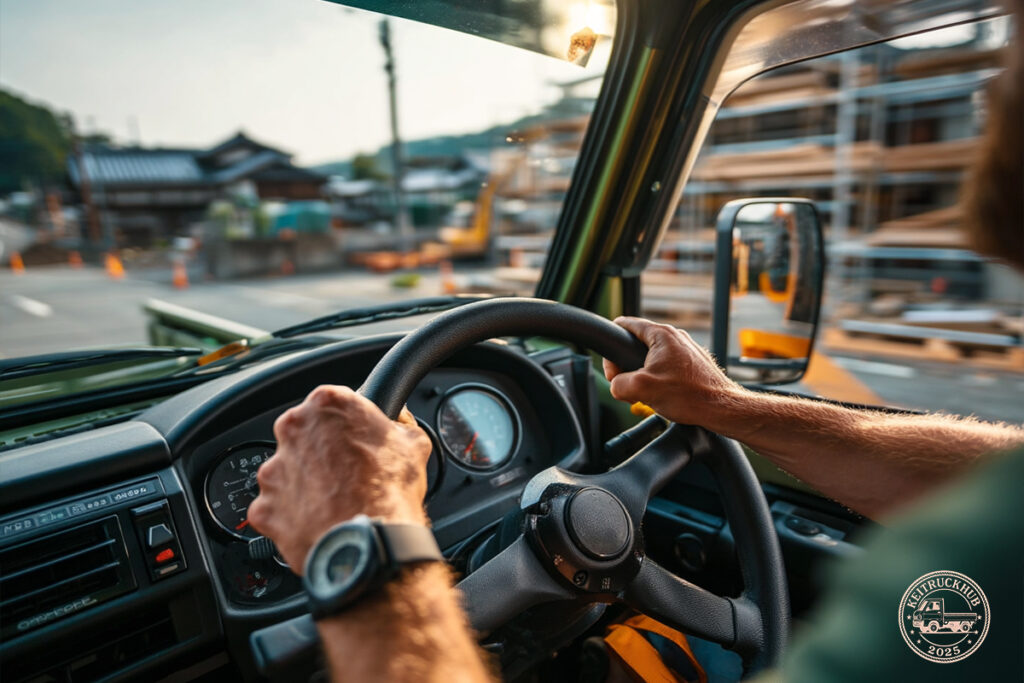
Legal Rules and Driver Responsibilities
Kei trucks must follow the same traffic laws as any other vehicle. There are no special exemptions just because they’re small.
Drivers are responsible for:
- Observing posted speed limits
- Respecting load capacity (typically 350 kg / ~770 lbs)
- Wearing seatbelts at all times
- No smartphone use while driving
- Proper cargo securing and tie-down
Because of their size and lower weight, proper cargo loading is especially important. An overloaded or poorly balanced kei truck can become unstable on curves or sudden stops. Following manufacturer load guidelines isn’t just a recommendation—it’s a critical safety practice.
Kei Trucks and Safety Standards Overseas
Safety regulations vary widely by country, and this is where things get complicated for U.S. owners.
Some regions:
- Restrict kei trucks to private land only
- Allow on-road use but limit speeds to 25–55 mph
- Require modifications (mirrors, turn signals, lighting) for road registration
- Prohibit highway and interstate use
- Require additional emissions or safety equipment
These differences reflect how each country—and even each U.S. state—defines “safety” and “road-worthy.” A kei truck that’s perfectly legal in Texas may face strict restrictions in Colorado.
How Far Can You Drive a Kei Truck in the U.S.? Laws Explained
The Future of Kei Truck Safety
Technology is steadily improving kei truck safety, especially for commercial and fleet use.
Emerging systems include:
- Telematics monitoring for real-time driver behavior
- Fleet management tools for delivery operators
- Predictive maintenance using onboard sensors
- Connected safety alerts (weather, road hazards, collisions)
- Driver fatigue detection systems
In the future, partial autonomous driving features—like automatic emergency braking and adaptive cruise control—may become common in controlled environments such as farms, warehouses, and private delivery routes.
Electric kei trucks are also leading the next wave of safety innovation, with smoother low-speed handling and instant torque response.
Suzuki Tests Electric Kei Truck on Farms—Real-World Results
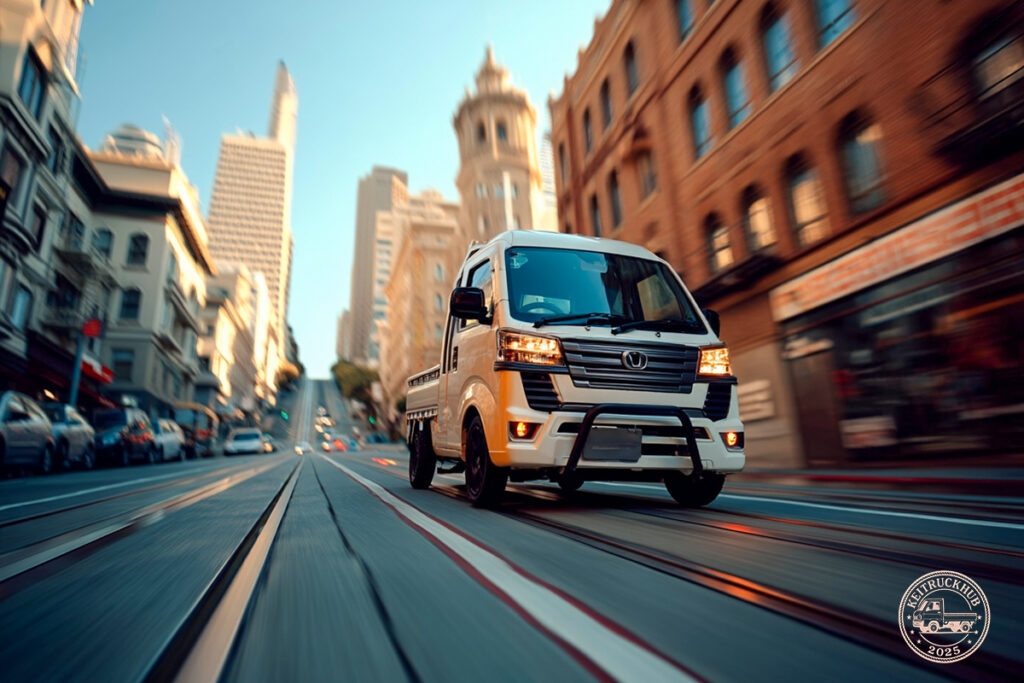
Why Driver Awareness Matters Most
Even with advanced systems, safety ultimately depends on the driver. No amount of technology replaces good habits.
Smart kei truck drivers consistently:
- Perform daily walk-around checks before driving
- Avoid overloading the cargo bed
- Manage fatigue on long routes
- Drive carefully in tight or unfamiliar spaces
- Keep up with regular maintenance schedules
- Check tire pressure and brake response weekly
Small habits make a big difference in preventing accidents. Many longtime kei truck owners credit their vehicles’ 20+ year lifespan to consistent daily care, not just Japanese engineering.
Final Thoughts: Small Truck, Big Safety Culture
Kei trucks may be small, but they play a surprisingly big role in safety culture. Their reliability comes from a combination of three things working together:
- Regulations: Strict inspections and clear legal standards
- Technology: Modern safety features matching larger vehicles
- Human awareness: Daily care and responsible driving
Understanding kei truck safety isn’t just about the vehicles themselves—it’s about rethinking how we approach safety as a whole. When small vehicles, smart rules, and careful drivers come together, the result is a transportation system that’s safer for everyone on the road.
Frequently Asked Questions
Q1. Are kei trucks safe in a collision compared to larger vehicles? Modern kei trucks include airbags, ABS, and collision mitigation braking. While they’re smaller than full-size pickups, they’re designed to meet Japan’s strict safety standards. For low-speed urban and farm use, they perform very well.
Q2. Do kei trucks need special inspections in the U.S.? Inspection requirements depend on your state. Some states treat kei trucks like regular vehicles, while others require additional safety equipment or low-speed vehicle (LSV) registration. Always check with your local DMV.
How to Make a Kei Truck Street Legal in the USA
Q3. What’s the maximum load capacity of a kei truck? Most kei trucks carry up to 350 kg (about 770 lbs). Exceeding this limit affects braking, handling, and overall safety. Always follow manufacturer guidelines.
Q4. Are kei trucks safe to drive on U.S. highways? Most kei trucks have a top speed of 55–75 mph and aren’t recommended for interstate highway use. Many U.S. states legally restrict them to lower-speed roads.
Q5. How often should a kei truck be inspected? For personal use, an annual inspection is recommended. For commercial or farm use, more frequent checks—especially of brakes, tires, and undercarriage—help maintain long-term safety and reliability.
Next Steps
Want to learn more about kei truck regulations, safety, and ownership? Explore these guides:
- How to Make a Kei Truck Street Legal in the USA
- How Far Can You Drive a Kei Truck in the U.S.? Laws Explained
- Daihatsu Hijet Truck Update: Smarter Safety & What Changed
- Suzuki Tests Electric Kei Truck on Farms—Real-World Results
- Top 8 Kei Trucks in 2025: Best Mini Trucks from Japan
Disclaimer
This article is for general informational purposes only and does not constitute legal or safety advice. Vehicle inspection requirements, safety regulations, and traffic laws vary by state and country. Always consult your local DMV, state department of transportation, or a licensed vehicle inspector before importing, registering, or operating a kei truck.
Sources and Verification
- NHTSA — U.S. vehicle importation and 25-year eligibility FAQ
- Japan MLIT — motor-vehicle inspection overview
- Light Motor Vehicle Inspection Organization — kei-vehicle inspection information
- Editorial archive: Magazine Daichi / Kei Truck Kingdom (licensed source material).
Sources checked: July 24, 2026.
Written by KeiTruckHub Editorial Desk Editorial review: Kei Truck Kingdom editorial team Last updated: June 29, 2026