


In a country dominated by full-size pickups, kei trucks are quietly gaining ground.
Over the past five years, kei truck imports have surged more than 300%, according to NBC News reporting on U.S. import trends., with thousands of units entering the U.S. every year. So why are these 11-foot Japanese mini trucks suddenly everywhere?
The answer isn’t just about price. It’s about a real shift in how Americans think about vehicles. Here are the five reasons behind the kei truck boom.
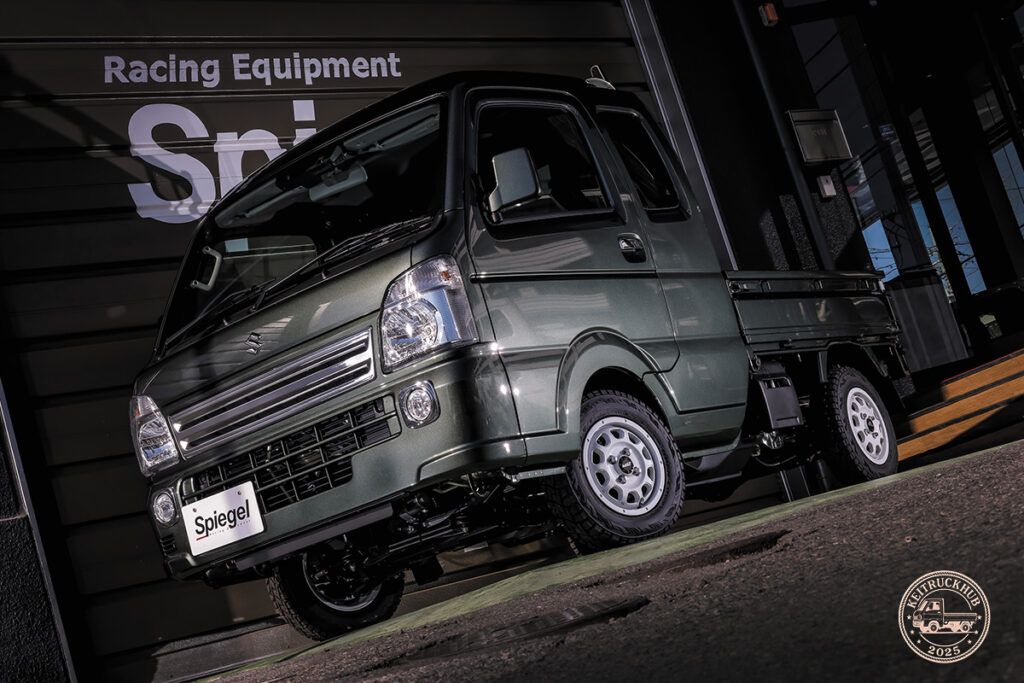
1. Affordable Reality — A Price That Makes Sense
According to Kelley Blue Book market reports and other automotive industry analyses, the average transaction price of a new pickup truck in the U.S. exceeds $60,000.
By comparison, a kei truck typically costs $6,000–$12,000 USD (imported, all-in). That’s not a small difference — it’s a completely different category of vehicle ownership.
Running costs are even more compelling:
- Many kei trucks are capable of achieving approximately 35–50 MPG, depending on model, condition, and driving environment.
- Around $200 USD for a full set of tires
- $30–$50 USD per month for insurance
For many buyers, kei trucks represent something simple: a useful vehicle you can actually afford to own outright, with no monthly payment hanging over you.
2. The “Just Right” Size Factor
Kei trucks are small — but not useless.
Typical dimensions:
- About 11 feet long
- About 5 feet wide
Yet despite the compact footprint, they can comfortably carry:
- Lumber and construction materials
- Tools and equipment
- Farm supplies
- Camping gear
For real-world use, that’s enough for most owners.
Where they shine:
- Farms and ranches with narrow gates
- Urban delivery routes and tight city streets
- Construction sites with limited maneuvering space
The shift is happening here — from “bigger is better” to “right-sized for the job.”
3. JDM Culture Meets Nostalgia
Kei trucks aren’t just practical. They’re cultural.
At U.S. car meets, they attract attention instantly thanks to their:
- Right-hand drive layout
- Authentic Japanese styling and badges
- Unique proportions you simply don’t see in domestic vehicles
People walk up and ask, “Where did you get that?”
At the same time, kei trucks tap into something deeper — a quiet nostalgia for simpler machines:
- Mechanical simplicity
- Minimal electronics
- DIY-friendly repairs you can actually do in your driveway
In a world of over-complicated, screen-heavy vehicles, kei trucks feel refreshingly honest.
For more on this cultural appeal, see Why People Enjoy Customizing Kei Trucks.
4. A Canvas for Creativity
Kei trucks are one of the easiest vehicles to customize.
Popular build types include:
- Off-road mini overlanders
- Camper conversions
- Street-style show trucks
- Mobile business platforms
Small size doesn’t limit creativity — it amplifies it.
Real-world business examples:
- Coffee trucks and pop-up cafés
- Farmers market vendor stalls
- Mobile retail and craft shops
The truck becomes more than transport. It becomes a brand, a workspace, and sometimes a small business in itself.
For a deeper look at how owners build their kei trucks, see Why Complete Kei Truck Builds Are Becoming Popular.
5. Sustainability and Simplicity
As environmental awareness grows, more Americans are questioning oversized vehicles.
Kei trucks offer a clear alternative:
- Lower fuel consumption
- A smaller overall carbon footprint
- Long mechanical lifespan (most road-legal kei trucks in the U.S. are already 25+ years old)
Owning a kei truck isn’t just practical. For many buyers, it’s a quiet statement — a shift from consumption-driven ownership toward conscious, deliberate choice.
The Bigger Picture
This boom isn’t just about trucks. It reflects a deeper change in American values:
- From status to utility
- From excess to efficiency
- From isolation to community
Kei trucks don’t replace full-size pickups. They offer something fundamentally different: an alternative for buyers who want a useful vehicle without the bulk, debt, or complexity of a modern American truck.
FAQ
How much have kei truck imports grown in the U.S.? According to NBC News, more than 7,500 kei trucks were imported to the U.S. from Japan in 2023 — a 300% increase compared to 2018, when only around 2,500 units were imported.
Are kei trucks really practical for American buyers? For the right use case, yes. They excel at farm work, small business operations, property maintenance, and local driving. They’re not designed for highway commuting or heavy hauling.
Why are kei trucks so much cheaper than U.S. pickups? They’re built to a different design philosophy — smaller engines, lighter materials, and Japanese kei-class regulations. The result is a vehicle that costs a fraction of what a full-size American pickup does, both to buy and to operate.
Do kei trucks really get 40–50 MPG? Many owners report fuel economy within that range. Actual results depend on the vehicle, maintenance condition, terrain, and driving style. The 660cc engines and lightweight construction make 40–50 MPG realistic for most kei trucks in real-world driving — significantly better than any full-size American pickup.
Is the kei truck trend likely to continue? Yes. Import numbers are still rising, more states are passing kei-friendly legislation, and community awareness keeps growing. The segment is maturing, not slowing down.
Final Thoughts
The kei truck boom isn’t loud — but it’s real.
These small trucks carry a bigger message: you don’t need more, you need the right amount.
And for thousands of Americans, that realization starts with a kei truck.
Disclaimer
This guide is for general information only and is not legal advice. Kei truck regulations vary significantly by state and change over time. Always confirm current requirements with your local DMV before purchasing, registering, or operating a kei truck on public roads.
Sources
- NBC News (2024) — “Kei trucks are gaining popularity in the U.S. for their small size and low prices”
- CNN Business (July 2024) — “The new hot truck comes from Japan and looks like a toy”
- NHTSA (National Highway Traffic Safety Administration)
- EPA (Environmental Protection Agency)
Last verified: June 15, 2026
Next Steps
- How to Make a Kei Truck Street Legal in the USA (Step-by-Step Guide)
- How Far Can You Drive a Kei Truck in the U.S.? Laws Explained
- Why People Enjoy Customizing Kei Trucks
- Why Complete Kei Truck Builds Are Becoming Popular
- How Kei Trucks Are Imported to the U.S. (And Why They’re Becoming Popular)
Written by Kie Kotani Editorial review: Kei Truck Oukoku editorial team Last updated: June 15, 2026