


Japanese kei trucks are no longer a niche curiosity in the U.S. — they’re becoming a serious alternative to full-size pickups.
Over the past five years, imports have surged by more than 300%, with roughly 7,500 units entering the country in 2024 alone. What used to be an enthusiast-only category is now showing up on farms, job sites, and even suburban driveways across America.
So what’s actually driving this shift?
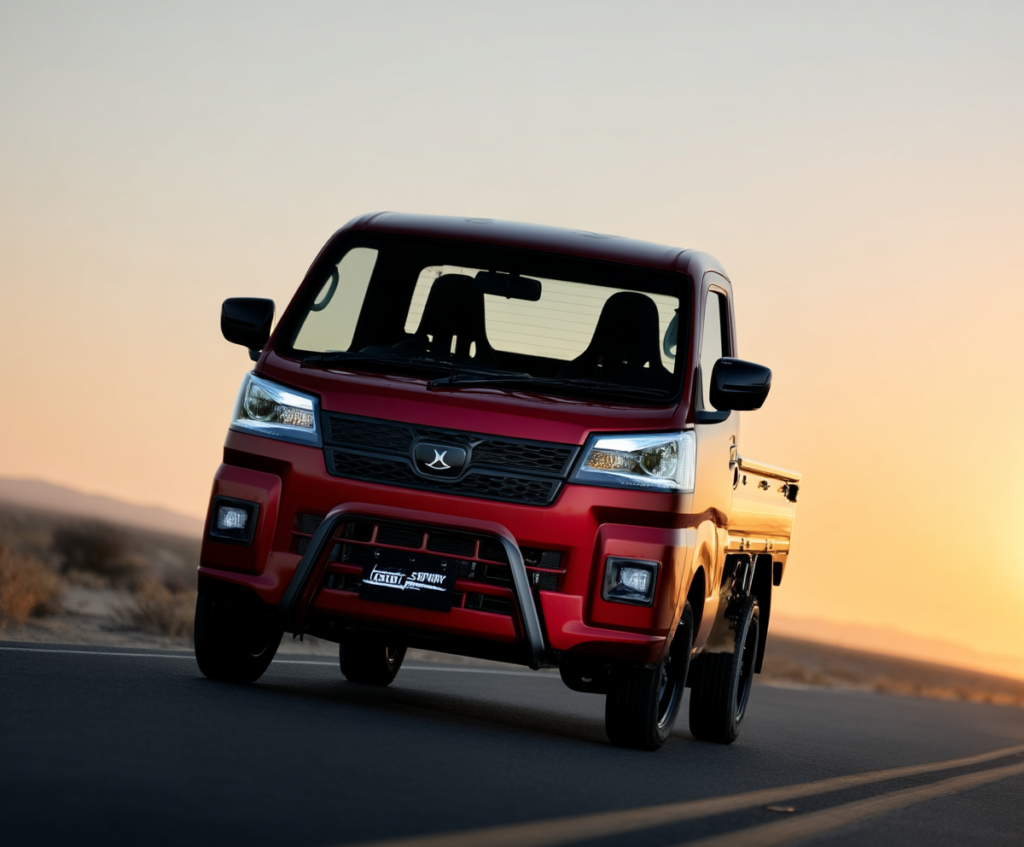
The Mini Truck Movement Is Real — and Growing Fast
A few years ago, kei trucks were rare. Today, they’re everywhere.
Import volumes have tripled in just half a decade, and thousands of these compact trucks are already in daily use across the U.S. This isn’t a temporary trend — it’s a shift in how people think about trucks.
Instead of oversized, expensive pickups, more buyers are choosing something smaller, simpler, and purpose-built.
👉 That change matters.
Because once a vehicle moves from “interesting” to “useful,” adoption accelerates fast.
The 25-Year Rule Is Fueling the Boom
At the center of this growth is the federal 25-year import rule.
This law allows vehicles that are 25 years or older to be imported without meeting modern U.S. safety and emissions standards.
That means popular models like:
- Honda Acty
- Suzuki Carry
- Daihatsu Hijet
- Subaru Sambar
are now fully importable — and every year, more models become eligible.
👉 In 2026, vehicles from 2001 qualify
👉 In 2027, 2002 models follow
This creates a steady pipeline of affordable kei trucks entering the U.S. market.
Why Buyers Are Choosing Kei Trucks Over Full-Size Pickups
At first glance, the answer seems obvious: price.
A new full-size pickup in the U.S. can easily exceed $60,000.
A kei truck? Typically lands between $6,000 and $12,000.
But price is only part of the story.
What really makes kei trucks appealing is this combination:
- 40–50 MPG fuel efficiency
- Compact size (easy to park, easy to maneuver)
- Practical cargo bed for real work
- Simple mechanics with low maintenance costs
👉 In other words:
They do the job — without the excess.
This is exactly why they’re gaining traction among:
- Farmers
- Contractors
- Landscapers
- DIY builders
- Property owners
Small Doesn’t Mean Compromise — It Means Fit
Here’s what surprises most first-time buyers:
Kei trucks don’t feel like a downgrade.
They feel like a better fit.
One U.S. owner replaced a Toyota Tundra with a 1998 Honda Acty and described it as the most practical truck he had ever owned.
👉 That’s the shift happening right now.
People aren’t just buying kei trucks because they’re cheap.
They’re buying them because they actually work better for their lifestyle.
The Ownership Experience Feels Different — In a Good Way
Kei trucks bring something modern trucks often lack: character.
- Right-hand drive layout
- Compact proportions
- Mechanical simplicity
- Unique Japanese design
Driving one doesn’t feel generic. It feels intentional.
And for many owners, that becomes part of the appeal.
The Biggest Challenge: State Laws Still Vary
There is one major hurdle you need to understand:
👉 Federal legality ≠ street legality
Even if your kei truck is legal to import, each state has its own rules for registration and road use.
Some states allow full registration.
Others impose restrictions — or ban them entirely.
Examples include:
- Speed limits in certain states
- Registration limitations
- Full bans in places like New York
👉 This is where many buyers make mistakes.
Always check your state DMV rules before importing.

The Community Effect Is Accelerating Growth
Another reason this trend isn’t slowing down:
👉 The community is exploding
Kei truck owners are now highly active across:
- Reddit (r/keitruck)
- Facebook groups
- YouTube channels
- Instagram communities
Some accounts have over 100,000 followers.
That means:
- Easier access to knowledge
- Real-world advice
- Parts sourcing help
- Custom build inspiration
👉 You’re not figuring this out alone anymore
What’s Really Driving the Kei Truck Boom?
Several forces are converging at once:
- Rising pickup truck prices
- Interest in JDM vehicles
- Demand for fuel efficiency
- Pushback against oversized vehicles
- Desire for practical, no-nonsense tools
Kei trucks sit right in the middle of all of this.
They’re:
👉 Affordable
👉 Efficient
👉 Unique
👉 Useful
That combination is hard to beat.
The Bottom Line
Kei trucks are not just trending — they’re redefining what a “truck” means in America.
They offer a different kind of value:
- Less size
- Less cost
- Less complexity
- More practicality
And for many buyers, that’s exactly what they’ve been missing.
👉 If you’re looking for a smarter, more efficient alternative to a full-size pickup, a kei truck isn’t just an option anymore.
It’s one of the most compelling choices on the market.
👉 Next Step
If you’re considering importing one, start here:
- Check your state’s registration rules
- Understand the 25-year rule
- Decide between DIY import or using a broker