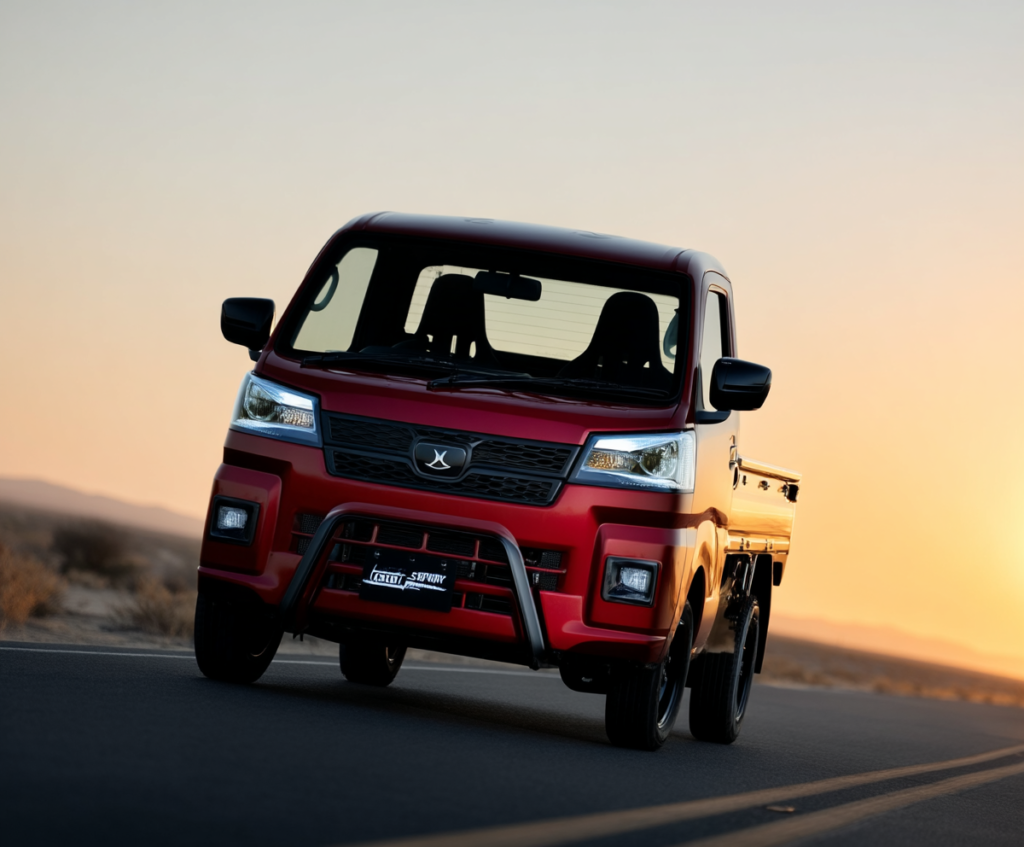
Imagine finding a photograph of a truck that looks almost exactly like the one you want. Before treating the build as a guide to your own purchase, you still need to check the vehicle, the parts and the rules that apply where you live. A useful photograph is a beginning, not yet an answer about your truck or your budget.
Online kei truck communities are most useful when you can connect an answer to a particular truck and situation. This guide is about making that connection: what to ask, what information to keep and where a forum answer needs another source. It is an editorial guide, not a survey of owners or a collection of verified interviews.
Start With a Question Someone Can Answer
Before posting, write down what you are trying to decide. Buying a truck, tracing a noise and selecting a wheel are different questions. Combining all three in one post makes it harder for someone with relevant experience to help.
For a vehicle-specific question, include the chassis code, year, drivetrain and changes you know about. Explain what the truck will actually do. A vehicle used to move garden supplies around private property raises different questions from one intended for regular public-road travel.
Use clear photographs of the relevant part or label when appropriate, but hide personal information on registration documents, invoices and addresses. Do not post private contact details to make an example more convincing.
A Post Template for Your First Parts Question
Example template, not a quotation from an owner: I am looking for [part or outcome] for a [year, chassis code and drivetrain]. The truck currently has [relevant parts and modifications]. I use it for [specific job]. I have checked [manual, measurement or manufacturer information], but I cannot establish [one missing detail]. Has anyone used this exact part on this configuration, and is there a product number or instruction sheet I can compare?
The last sentence matters. A recommendation becomes more useful when it comes with a part number, a clear photograph or a document you can examine. A reply about a similar-looking truck can still be interesting, but label it as a lead rather than a fitment answer.
Match the Format to the Question
| Format | What to look for | What it does not establish on its own |
|---|---|---|
| A discussion thread, such as r/keitruck | The original question, vehicle details, follow-up comments and whether the problem was resolved. | That the most confident or most popular reply is correct for your truck. |
| A build or repair video | The exact vehicle, parts, steps shown and any later update about the result. | That unshown work was unnecessary or that the same procedure suits another model. |
| A regional owner group | Location, date and the documents behind a registration or insurance experience. | The current decision of an agency or insurer for a different applicant. |
| A photograph or short social post | A builder name, vehicle description and a route to more detailed information. | Load capacity, handling, hidden mounting details or long-term reliability. |
Read the Follow-Up, Not Just the First Answer
An installation photograph answers what the truck looked like that day. A later update may explain that something rubbed, a bracket was changed or the owner returned to a different setup. Look for those updates before treating the original post as a finished recommendation.
Ask what changed between the first attempt and the final arrangement. Keep the original link and date with your notes so you can return to the discussion. A screenshot without context is harder to check and may leave out an important correction.

Keep Four Kinds of Information Apart
- Personal preference: the owner likes the appearance, seating position or character of the truck. That is their experience, not a measurement.
- Reported experience: something happened to a specified vehicle under described conditions. Check how closely those conditions match yours.
- Documented specification: a manufacturer or vehicle document provides a number or application. Read the exclusions as well as the headline.
- Official requirement: a responsible authority sets a rule. Obtain the current answer from that authority rather than relying only on a past owner’s account.
This distinction is especially useful for fuel use, parts compatibility and road use. A single successful experience is not automatically a repeatable result for another truck.
Return With the Result
When your question is resolved, add a short follow-up to the original discussion. State what the truck turned out to be, which part or document settled the question and what remained uncertain. Avoid turning a successful repair into a recommendation for configurations you did not check.
That kind of update gives the next reader something concrete to work with. You do not need to become an expert or write a long review. A clear correction, a usable part number or an explanation of why you decided not to buy can be the most helpful contribution in the thread.
Where KeiTruckHub Fits
We use Japanese reference material and public sources to help readers understand the vehicles and questions behind a build. Community discussions can suggest what to investigate, but they do not replace a source for a factual claim.
For a modification project, continue with Why Simple Kei Truck Builds Usually Age Better. For a wheel enquiry, the 12-inch wheel guide sets out the dimensions to establish before ordering.
Editorial Scope and Correction Note
Earlier owner quotations and numerical claims were removed because we could not verify their original sources. This article now focuses on an editorial question template and ways to check community advice.
The examples above are explicitly labeled editorial templates. The linked public discussion forum is a place to begin reading, not an endorsement of every post. We have not measured response times, membership or the frequency of particular owner experiences. Check vehicle specifications, import requirements and road-use rules with the relevant primary sources before acting.
Editorial reference: Magazine Daichi / Kei Truck Kingdom.
Source-based editorial revision with AI assistance: September 20, 2026.