A rough driveway can make an aggressive tire look like the obvious next upgrade. The better first question is quieter: will this tire still do the ordinary jobs your kei truck has to handle on Monday morning?
On a small truck, a tire choice changes more than appearance. It can alter steering clearance, ride, braking feel, load capacity, and the amount of work the engine has to do. This guide is for owners comparing all-terrain-style options for a kei truck used around property, on unpaved access roads, or in mixed daily use.
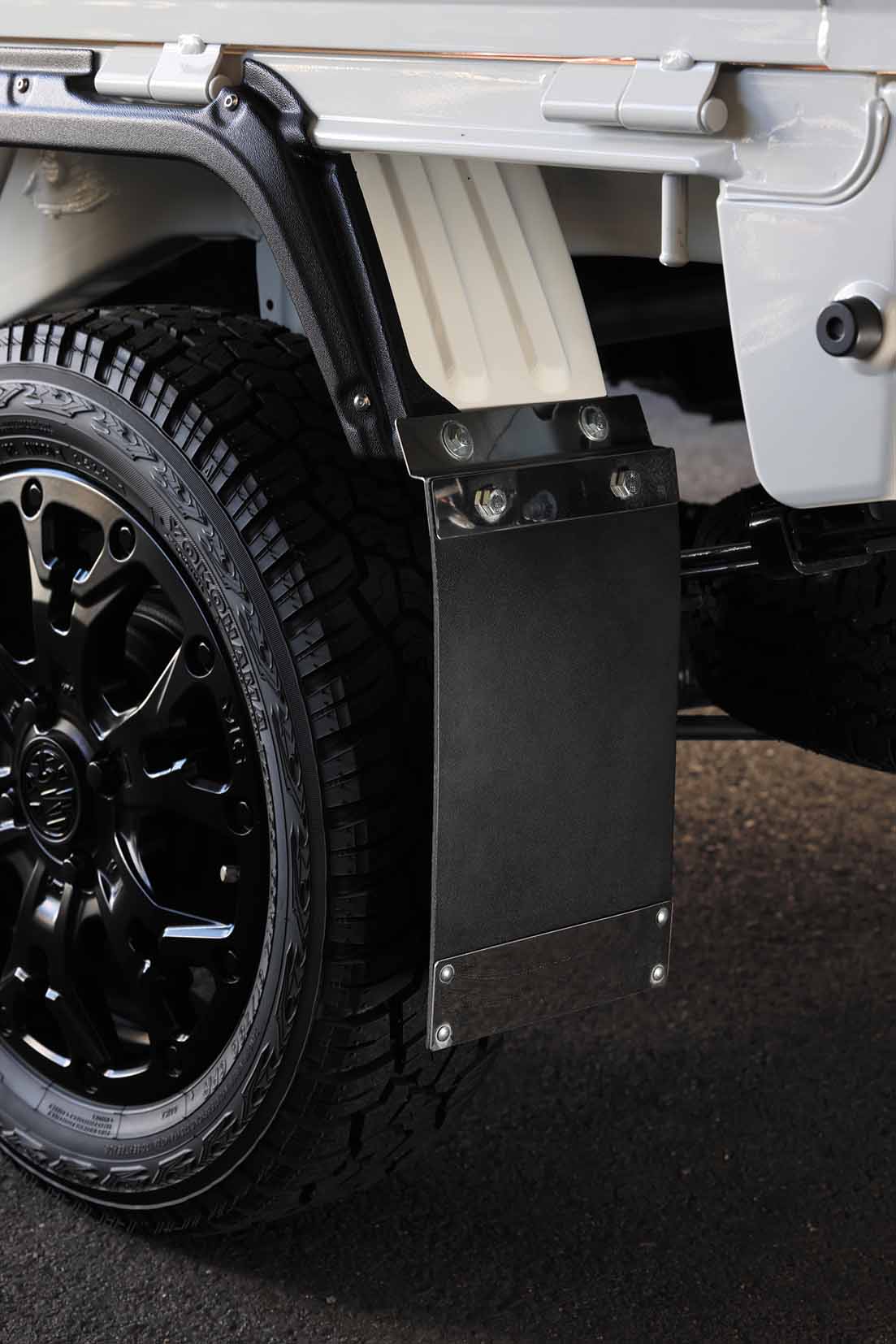
Start With the Tire Placard, Not the Tread Pattern
Before browsing a tire listing, photograph the tire-and-loading placard, the current tire sidewall, and the wheel itself. Write down the exact tire size, the maximum load marking, the inflation information, and whether the truck is carrying people, tools, or a regular load in the bed.
A similar-looking size is not automatically an equivalent tire. The U.S. National Highway Traffic Safety Administration notes that the tire sidewall’s maximum load rating is the key guide for load-carrying capability, and that tires sharing a size designation can still differ in load range. If you are importing a vehicle or fitting an aftermarket wheel, ask a tire professional to confirm the complete wheel-and-tire combination for your specific truck.
What “All-Terrain” Should Mean for a Kei Truck
For many kei truck owners, an all-terrain-style tire is a compromise between paved roads and loose surfaces. It can make sense for a farm lane, a gravel drive, wet grass, or a job site where a highway-oriented pattern feels too delicate. It does not turn a light truck into a rock-crawling vehicle, and it does not remove the need to slow down when the surface gets rough.
- Mostly pavement with occasional gravel: prioritize correct size, wet-road behavior, and low noise.
- Property work and muddy access: look for a tread pattern that clears loose material, then recheck load and clearance.
- Snow or sustained freezing temperatures: use a tire designed and rated for winter conditions rather than assuming a more open tread is enough.
- Heavy or frequent cargo: start with the truck’s loading information and the tire’s load marking before thinking about appearance.
That last point deserves extra care. The tire that looks most capable in a product photo may be the wrong choice if it reduces the approved load capacity or rubs at full steering lock.
12-Inch and 13-Inch Fitment: Check the Whole Package
Changing to a 12-inch or 13-inch wheel can be a sensible build choice, but the wheel diameter is only one part of the decision. A tire’s overall diameter, section width, sidewall shape, wheel width, offset, and the truck’s suspension travel all matter together.
- Confirm the wheel’s bolt pattern, center-bore requirements, width, and offset.
- Compare the new tire’s overall diameter and width with the tire currently fitted.
- Turn the steering from lock to lock and check both sides for contact points.
- With the truck safely supported or at normal ride height, inspect clearance near the fender, mud flap, spring, brake line, and suspension components.
- Check that the tire’s load marking remains suitable for the way you actually use the truck.
Our 12-inch kei truck wheel guide explains why wheel specifications should be confirmed before you commit to a new tire size. If you are unsure about the numbers, bring the placard photo and the proposed tire specification to a reputable tire shop. That conversation is usually cheaper than solving a rubbing or load-rating problem later.
Do Not Treat Tread as a Substitute for Load Capacity
A deeper-looking tread does not establish a tire’s carrying ability. NHTSA guidance emphasizes the relationship between the vehicle load, the tire’s maximum load rating, and the applicable inflation pressure. Keep the load information in the decision even if the truck only occasionally carries supplies; the day you need the bed is not the day to find out the tire is not appropriate.
For the same reason, avoid choosing a tire only because it is sold as a universal “kei truck” fit. Check the sidewall markings, the seller’s full specification sheet, and the exact vehicle configuration. Imported trucks can have meaningful differences by year, axle, wheel, cab, and prior modifications.
A Small Tool Purchase That Actually Helps
Before spending on tires, it is worth having a dependable way to check tire pressure and tread condition. Those are ordinary maintenance tools, but they help you compare the truck as it is today with the setup you are considering. See our practical kei truck inspection kit for what each tool can and cannot tell you; any Amazon purchase links on that page are disclosed immediately beside the link.
Before You Order
- Use the vehicle placard and current sidewall as your starting record.
- Match or exceed the original tire’s load capability where applicable.
- Confirm wheel diameter, width, offset, bolt pattern, and tire clearance as one system.
- Choose winter-rated tires for genuine winter conditions.
- Recheck wheel-nut torque and tire pressure after installation, following the vehicle and wheel manufacturer’s instructions.
Final Takeaway
The right all-terrain-style tire for a kei truck is usually the one that solves a real surface problem without making everyday use worse. Start with the truck’s required size and load information, then decide how much gravel, mud, snow, pavement, and cargo it truly sees. A careful fitment check may be less exciting than a tread photo, but it is what keeps an upgrade useful after the first weekend.
Related Reading
- 12-Inch Kei Truck Wheels in 2026: Fitment Checks and MATTE TWELVE Specs
- Best Winter Tires for Kei Trucks: Gripmax ICE X Review
- Practical Kei Truck Upgrades for Work, Weekends, and Daily Use
Sources and Verification
- NHTSA – tire load-rating interpretation
- NHTSA – load-range and sidewall-marking interpretation
- Editorial archive: Magazine Daichi / Kei Truck Kingdom (licensed source material).
Sources checked: August 13, 2026.
Disclaimer
Tire availability, size markings, load ratings, vehicle clearances, and road-use rules vary by vehicle and location. This article is general information, not a fitment approval. Confirm the exact tire-and-wheel combination with the vehicle information, manufacturer specifications, and a qualified tire professional before purchase or installation.
Editorial review: KTH Editorial and SEO Team. Last updated: August 13, 2026.