Starting a mobile business doesn’t have to be expensive or complicated.
Kei trucks offer a simple, low-cost way to launch food trucks, street stalls, and mobile shops with maximum flexibility. With Japan’s mini trucks gaining popularity in the U.S., more entrepreneurs are seeing them as a smart entry point into the food and retail industries.
In this guide, you’ll learn how to start, customize, and grow a kei truck business—from small ideas to scalable income opportunities.
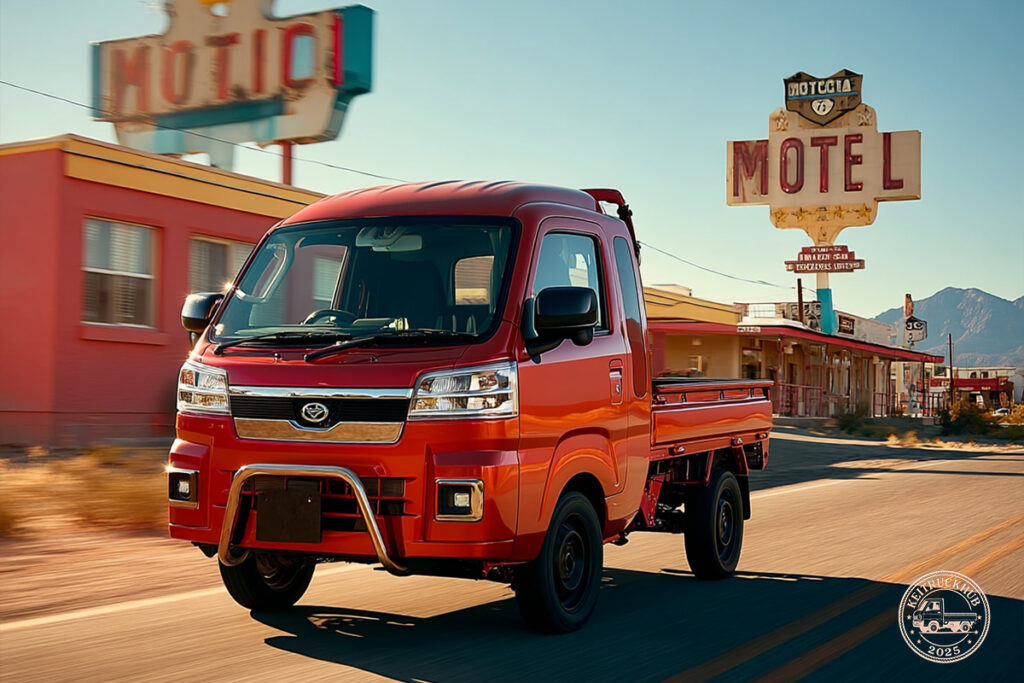
Low Startup Cost and Flexible Business Model
One of the biggest advantages of starting a kei truck business is the low startup cost. Compared to full-size food trucks or camper-van conversions, kei trucks require a much smaller initial investment.
A used kei truck typically costs $6,000–$12,000, while a fully built American food truck can easily run $60,000–$150,000. This dramatic difference makes kei trucks ideal for beginners who want to start a business without taking on heavy financial risk.
Instead of spending heavily upfront, you can begin with a simple setup and improve your equipment step by step as your business grows. This flexibility lets you:
- Test your business idea with minimal risk
- Adjust your menu and strategy quickly
- Upgrade equipment as sales increase
- Scale at your own pace without pressure
Even if your first concept doesn’t work, you can pivot to a new idea without major losses—something traditional brick-and-mortar businesses can’t easily do.
How Kei Trucks Are Imported to the U.S.
Creative Customization and Shop Design
One of the biggest advantages of a kei truck is how easily it can be customized into a unique mobile shop. Thanks to its simple, compact cargo bed, you can transform the back into a fully functional store, café, food stand, or retail booth.
From minimal setups to fully styled shops, the design possibilities are almost unlimited.
DIY-Friendly Setup Ideas
Kei trucks are perfect for DIY customization. Depending on your business type, you can:
- Install a simple covered box for shelter and display
- Add a flip-up counter for service windows
- Build a compact kitchen with sink, fridge, and prep area
- Create open-style displays for retail or seasonal goods
- Add awnings, lighting, and branded signage
Many small business owners start with basic modifications and upgrade over time as revenue grows.
Flexible Layout and Branding
If you enjoy designing your own space, a kei truck gives you full creative control. You can build custom counters, storage shelves, or display areas to match your brand style.
Whether you want a cozy café feel, a modern street shop, or a retro vintage look, your kei truck can become a one-of-a-kind business space that customers instantly recognize.
Best Kei Truck Styling Parts That Make a Difference
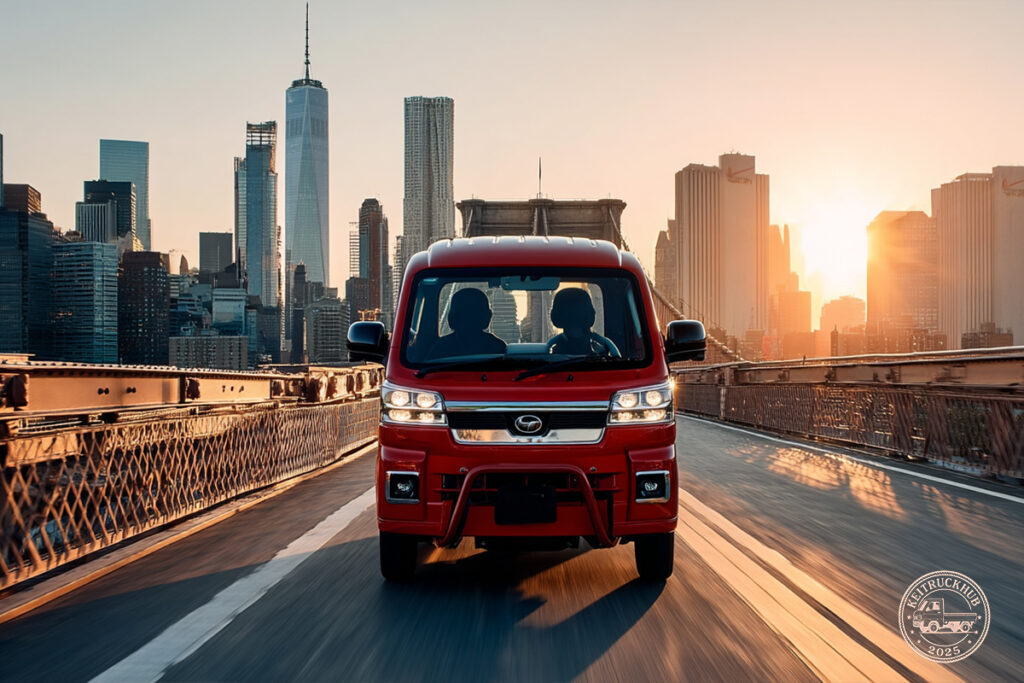
A Culture Rooted in Japan’s Mobile Vendors
Mobile food businesses using kei trucks have long been part of everyday life in Japan. Many people remember the sound of small food vendors passing through neighborhoods—ramen carts, roasted sweet potato trucks, and local snack sellers who brought food directly to the community.
This style of business is deeply rooted in Japanese culture, where mobility and personal connection have always been important.
Today, that tradition is evolving. With the rise of social media and modern food truck culture, kei truck vendors are being rediscovered as a stylish and flexible way to run a business. What was once seen as “old-fashioned” is now becoming a unique and attractive business model—especially among younger entrepreneurs in both Japan and North America who are looking for creative, low-cost ways to start.
→ Why People Enjoy Customizing Kei Trucks
Mobility Advantages Unique to Kei Trucks
One of the biggest advantages of kei trucks is their ability to go where larger vehicles simply can’t. This mobility opens up business opportunities that aren’t possible with traditional food trucks or fixed-location shops.
Access to Narrow, Low-Competition Locations
Kei trucks can easily navigate:
- Narrow streets and small alleys
- Residential neighborhoods
- Quiet suburban areas
- Park access roads and event venues
These locations often have less competition, allowing you to reach customers that larger food trucks can’t access. Instead of fighting for space in crowded commercial areas, you can bring your business directly to where people live and gather.
Bringing Services Directly to Communities
With a kei truck, your business becomes truly mobile. For example, a bakery or coffee shop can visit different neighborhoods on specific days, creating a sense of anticipation and regular customer engagement.
This approach not only increases convenience for customers but also builds stronger relationships within the community—something fixed-location businesses struggle to replicate.
Flexible “Where, What, and Who” Strategies
Unlike fixed-location stores, you can easily change your location, target audience, and product lineup based on demand:
- Weekdays: Operate in business districts, serving lunch to office workers
- Weekends: Move to parks, farmers markets, or event spaces
- Evenings: Visit residential areas for dinner or late-night snacks
- Seasonal: Adjust your menu and locations with the weather and holidays
You can even adjust your product lineup throughout the day to maximize revenue opportunities.
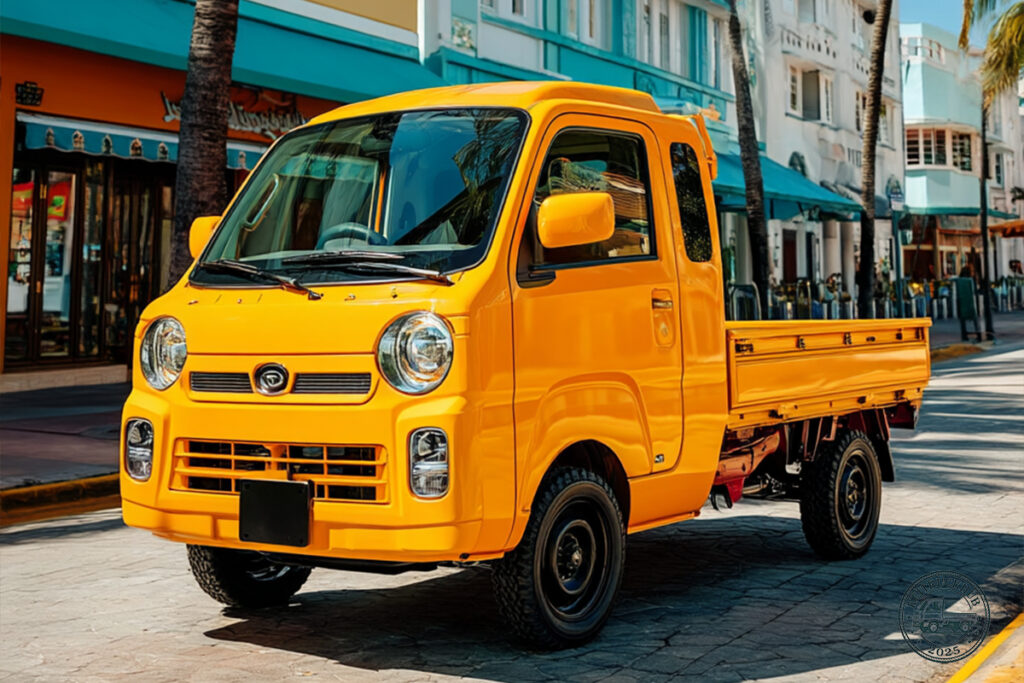
Legal Requirements and Permits
Before starting a kei truck mobile business in the U.S., it’s important to understand the legal requirements. Rules vary significantly by state and city.
Food Sanitation and Business Licensing
If you plan to serve food or drinks, you will typically need:
- A business license from your city or county
- Health department approval and food handler permits
- Mobile food vendor permit (varies by city)
- Proper equipment for sinks, refrigeration, and waste storage
- Commissary kitchen agreement (required in many states)
Vehicle Registration and Road Use
Because kei trucks have specific regulations in the U.S., you must also verify:
- State-by-state street-legal status
- Speed limits and road restrictions
- Insurance coverage for commercial use
- Parking and operating zones in your target city
While these requirements may seem complicated at first, setting everything up properly allows you to operate legally and build a trustworthy business. Taking the time to follow the rules is essential for long-term success.
→ How to Make a Kei Truck Street Legal in the USA
Efficient Equipment and Layout Design
In a kei truck business, space is limited—so efficiency is everything. The way you design your layout directly impacts your speed, productivity, and overall customer experience.
Careful placement of essential equipment can significantly improve workflow:
- Sinks for handwashing and dishwashing
- Refrigeration for ingredients and beverages
- Cooking equipment (griddle, fryer, espresso machine, etc.)
- Storage for dry goods and packaging
- Service counter for customer interaction
- Waste and water management systems
A well-designed layout helps you serve customers faster while reducing daily stress. Because of the compact space, a “lean and efficient” design is essential. By eliminating wasted space and focusing on core functionality, you can create a highly effective mobile shop even in a small vehicle.
Smart design choices are what turn a simple kei truck into a professional, attractive business.
Marketing Power and Visual Appeal
In mobile businesses, visual appeal is one of the most powerful marketing tools. Unlike traditional stores, kei truck shops are constantly moving—meaning every appearance is a chance to attract attention and gain new customers.
Branding That Stops People in Their Tracks
A well-designed kei truck naturally draws attention. By using:
- Eye-catching colors and graphics
- Unique logos and typography
- Handwritten menu boards
- Seasonal decorations and themes
- Distinct music or atmosphere
…you can create a shop that people want to stop at, photograph, and share.
Social Media as Free Advertising
When customers share photos on Instagram, TikTok, or Facebook with location tags and hashtags, your business gains free exposure and organic word-of-mouth marketing. This kind of visibility is difficult to achieve with fixed-location stores without large advertising budgets.
Because of its compact size, a kei truck also makes it easier to maintain a consistent brand image. Everything—from the layout to the lighting—can be carefully controlled, helping you create a strong and memorable identity. This makes kei trucks especially powerful for building a recognizable, shareable brand.
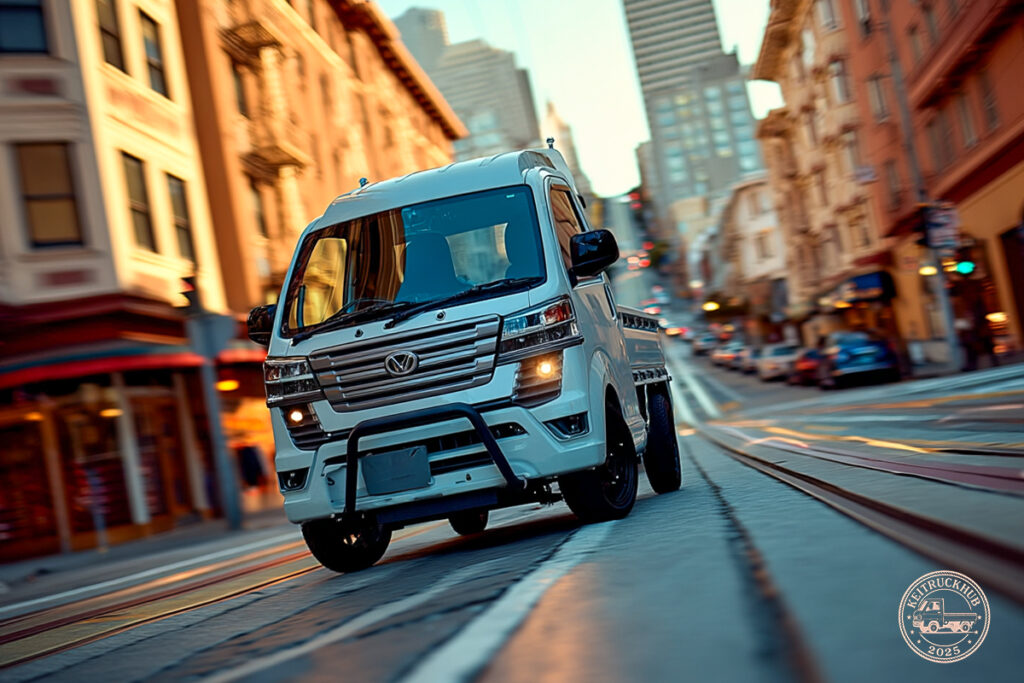
Scaling Up: From One Truck to a Mini-Fleet
Many kei truck businesses start small—but they don’t have to stay small. Once you establish your brand and customer base, you can expand by adding more vehicles and covering multiple locations.
Successful operators often:
- Run several kei trucks in different neighborhoods
- Create a repeatable, documented business model
- Hire staff to operate additional units
- Develop franchise or partnership opportunities
- Expand to events, catering, and pop-up collaborations
This scalability—growing without expensive brick-and-mortar locations—is one of the biggest long-term advantages of a kei truck business.
Challenges and Realities to Expect
Running a kei truck business isn’t without its challenges. Being mobile means being exposed:
- Weather (rain, heat, cold) directly affects daily sales
- Setup and breakdown require physical effort every day
- Income can be unstable in the early months
- Building a loyal customer base takes time
- Equipment failures can interrupt operations
However, these challenges are part of building any real business. With persistence, flexibility, and continuous improvement, many operators successfully turn small mobile setups into sustainable income sources.
The key is to start simple, learn quickly, and adapt based on real-world experience.
How Kei Trucks Support Local Communities
Kei truck businesses do more than just sell products—they help create activity and connection within local communities.
By operating in different locations on different days, mobile shops bring life to areas with fewer permanent stores or limited foot traffic. In shopping streets with vacant spaces or quiet neighborhoods, the presence of a kei truck can create a sense of movement and excitement—making people feel that “something is happening.”
For many small business owners, a kei truck also offers an accessible way to start without the high costs of a physical store. This lowers the barrier to entry and allows more people to participate in local economies. With proper support from cities and communities—such as designated spaces, utilities, and event coordination—kei truck businesses can play an important role in revitalizing both urban and rural areas.
The Human Connection a Kei Truck Creates
Beyond business, kei trucks create something more meaningful—human connection.
Unlike large-scale operations, a kei truck allows direct interaction between owner and customer. This closeness creates a more personal, memorable experience. When physical distance shrinks, trust grows stronger. That “human touch” is something large chains and mass logistics systems simply cannot replicate.
A kei truck is no longer just a vehicle for transporting goods. It becomes a platform for expressing your ideas, your style, and your story:
- What kind of brand will you build?
- What kind of products will you offer?
- What kind of experience will you create for your customers?
All of this can be realized within the small footprint of a kei truck.
Final Thoughts: Small Truck, Big Possibilities
Starting a kei truck mobile business may seem simple, but its potential is huge.
With low startup costs, flexible operations, and strong community connection, kei trucks offer a unique path to building your own business. For aspiring entrepreneurs who want to turn passion into income without massive financial risk, the kei truck is one of the smartest starting points available today.
What begins with a small truck can grow into something much bigger—built on creativity, connection, and real-world experience.
If you’re ready to start small and build something of your own, a kei truck could be the perfect first step.
Frequently Asked Questions
Q1. How much does it cost to start a kei truck food business? A used kei truck typically costs $6,000–$12,000. With basic equipment, signage, and permits, total startup costs often range from $10,000–$25,000—much lower than traditional food trucks at $60,000+.
Q2. Can I legally run a kei truck food business in the U.S.? Yes, but laws vary by state and city. You’ll need food vendor permits, health department approval, and a kei truck that meets your state’s street-legal requirements.
How to Make a Kei Truck Street Legal in the USA
Q3. What kinds of businesses work best with a kei truck? Popular options include coffee stands, mobile cafés, food trucks (tacos, crepes, ramen), bakeries, retail pop-ups, flower shops, and event vendors. Anything that fits a compact footprint can work.
Q4. Is a kei truck big enough for a real food business? Yes. With smart layout planning, a kei truck can accommodate cooking equipment, refrigeration, storage, and a service counter. Many successful Japanese mobile cafés operate from a single kei truck.
Q5. Can I scale a kei truck business into multiple locations? Absolutely. Many operators expand to two or three trucks once their brand is established, allowing them to cover multiple neighborhoods or events simultaneously.
Next Steps
Want to learn more about kei trucks and how to use them in real life? Explore these guides:
- How Kei Trucks Are Imported to the U.S.
- How to Make a Kei Truck Street Legal in the USA
- Best Kei Truck Styling Parts That Make a Difference
- Why People Enjoy Customizing Kei Trucks
- Top 8 Kei Trucks in 2025: Best Mini Trucks from Japan
Disclaimer
This article is for general informational purposes only and does not constitute legal, business, or financial advice. Mobile vendor permits, food safety regulations, and street-legal requirements vary by state, county, and city. Always consult your local health department, DMV, and small business licensing office before launching a mobile business.
Sources and Verification
- U.S. Small Business Administration — business planning guide
- U.S. FDA — starting a food business and local-regulation responsibilities
- U.S. FDA — state retail and food-service regulations
- Editorial archive: Magazine Daichi / Kei Truck Kingdom (licensed source material).
Sources checked: July 24, 2026.
Written by KeiTruckHub Editorial Desk Editorial review: Kei Truck Kingdom editorial team Last updated: June 29, 2026