

A Kei truck mobile business is a unique way to start small and operate with maximum flexibility.
This business model allows owners to test their ideas with low risk while maintaining high mobility.
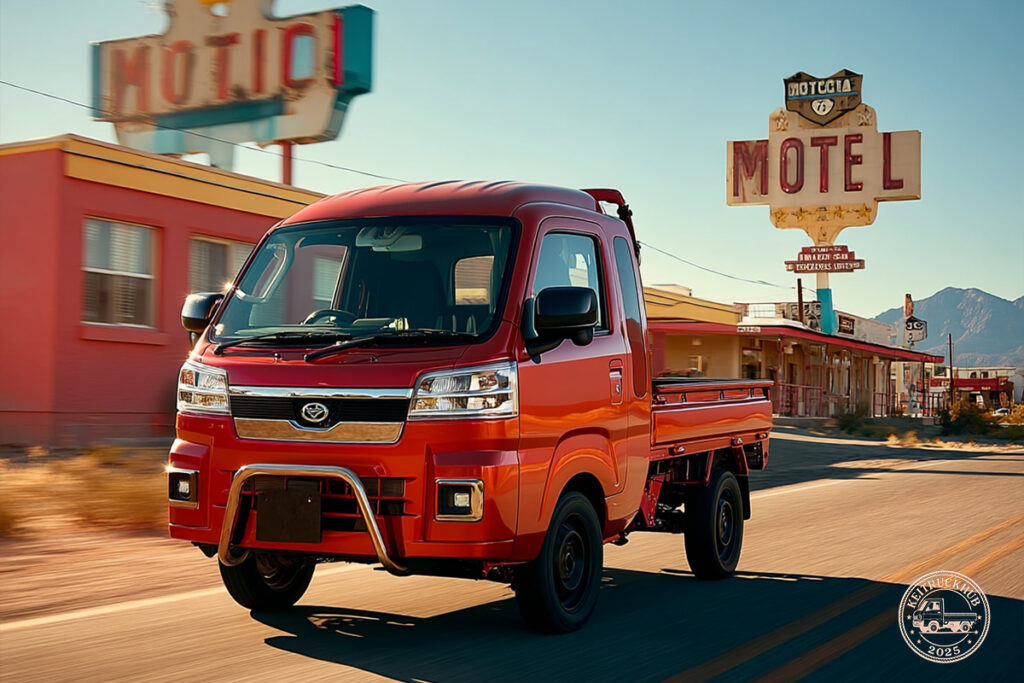
Why Kei Trucks are Perfect for Mobile Shops
“Selling the same products in a different place than usual.”
Light trucks are an excellent fit for such mobile businesses.
By packing a “store” into a small body, you can aim for big opportunities while minimizing risk.
In this article, we will explore the potential of light trucks for businesses such as food trucks, food stalls, and mobile sales, with concrete examples.
Low Initial Cost and High Flexibility
The greatest appeal of the light truck business is that it allows you to create a “solid store feel” while keeping initial investment low.
Mobile food trucks based on large food trucks or camper vans tend to require high vehicle purchase and customization costs, making the initial hurdles high.
Keep Startup Costs Low
In contrast, with a light truck, you can base it on a used vehicle or start with the bare minimum of equipment, making it easier to create a flexible plan that fits your budget.
Easy to Try and Scale
The low startup cost allows you to take the first step without high risk.
Creative Customization and Shop Design
Because light trucks have a simple, square body, they offer a great deal of freedom when it comes to creating a store on the loading platform.
DIY-Friendly Modifications
You can load a covered box onto it to create a food truck, turn the side into a flip-up counter to create a cafe stand, or combine it with a tent to create a semi-outdoor market space.
Custom Layout Ideas
If you’re handy with DIY, you can build wooden counters and shelves to create a unique atmosphere.
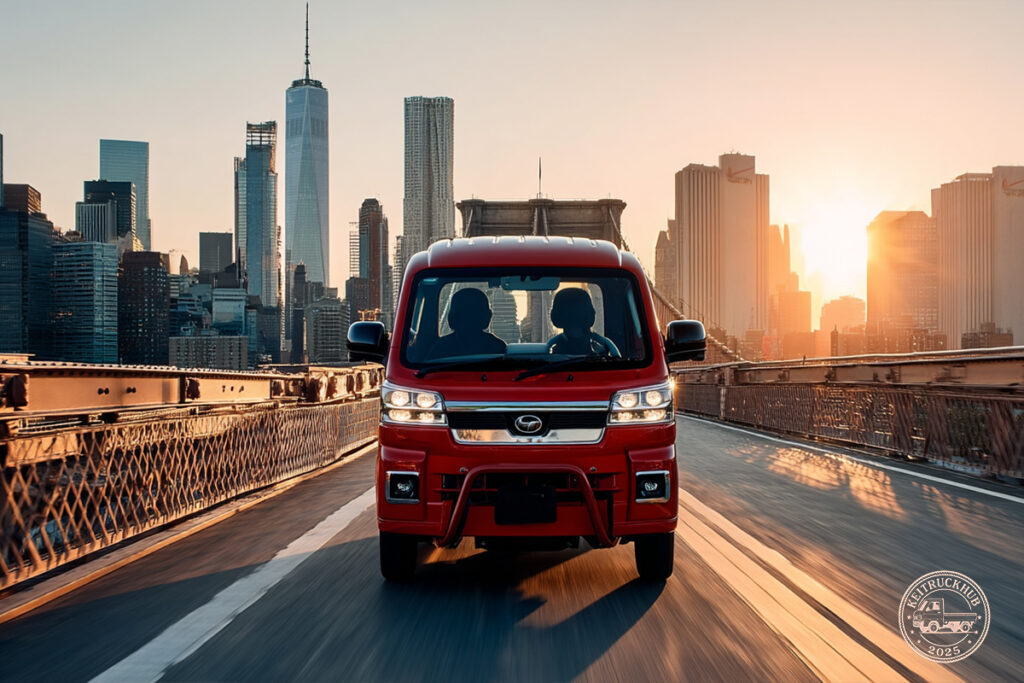
A Culture Rooted in Japan’s Mobile Vendors
From Retro Food Stalls to Modern Trends
The culture of mobile food vendors using light trucks has been deeply rooted in Japan for a long time. Depending on the region, many people will recall a number of mobile food vendors that they remember by their sound, such as ramen shops, roasted sweet potato shops, tofu shops, bakeries, fish shops, and greengrocers.
This old-fashioned style is being revived in a more sophisticated form thanks to the recent boom in food trucks and the spreading power of social media.
It is interesting to note that the “retro light truck food stall” is being perceived as a fresh style by the younger generation as well.
Mobility Advantages Unique to Light Trucks
One of the advantages of light trucks is the wide range of places they can go.
Access to Narrow and Quiet Places
Light trucks can easily enter narrow alleys, steep slopes, corners of small parks, and dead-end spaces in residential areas that would be intimidating for larger vehicles.
This makes it possible to deliver businesses not only to “standard locations” such as shopping districts and in front of stations, but also to places that are usually quiet.
Delivering Shops to Local Communities
For example, a light truck-operated bakery or coffee shop that comes once a week at a set time could become a new source of entertainment for the local area.
Flexible Business Strategies
From a business perspective, one of the great strengths of light trucks is the flexibility to change “where, to whom, and what to sell.”
Change “Where, What, and To Whom”
On weekdays, you can sell lunch boxes in business districts, and on weekends, offer sweets and drinks at parks or event venues.
You can even switch locations and products throughout the day—selling bread in residential areas in the morning, side dishes in shopping streets at noon, and bento at train stations in the evening.
The real strength is the ability to flexibly adapt your strategy based on sales, seasons, and weather—something that is difficult for fixed-location stores.
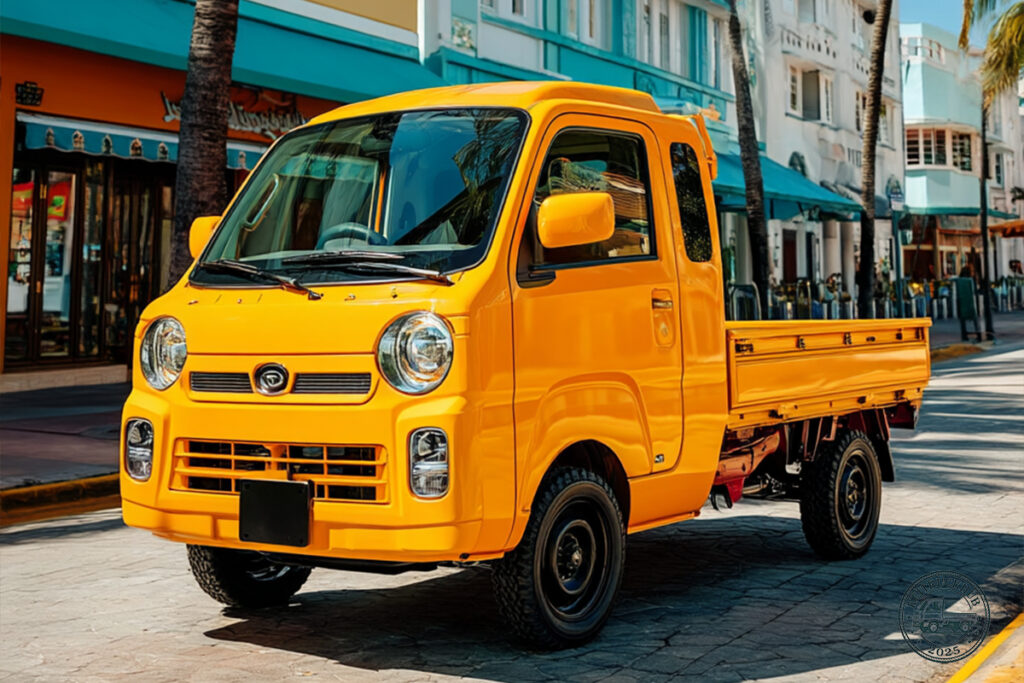
Legal Requirements and Permits
Food Sanitation and Equipment Standards
Understanding laws, regulations, and permits is essential when starting a light truck business.
If you’re serving food and drink, you’ll need a business license from the health center, and you’ll also need to meet food hygiene and facility standards, as well as secure water supply, drainage, and power sources.
If you’re operating from a road, you’ll also need road use permits and local government rules.
These procedures may seem a little complicated, but once you’ve sorted them out properly, you can move on to the phase of making the most of the rules.
The basis for a long-lasting business is to operate openly after obtaining proper permits, rather than just operating on the edge of illegality.
Efficient Equipment and Layout Design
Optimize Space and Workflow
The design and layout of your equipment are critical factors that determine the success of your business.
It is essential to consider how to use the limited space efficiently, streamline your workflow, and minimize the effort required for setup and cleanup.
For a food truck, paying attention to details—such as the placement of the sink, refrigerator, and storage, the height of the counter, and the flow between the register and the pickup area—can make a significant difference in daily output and reduce operational stress.
Because a Kei truck has limited space, a “lean and waste-free design” is required.
These creative solutions and thoughtful touches are exactly what define the unique character of your shop.
Marketing Power of Visual Appeal
In terms of marketing, there’s no way to not take advantage of the visual appeal of light trucks.
Branding and Social Media Impact
By incorporating charming logos, attractive color schemes, hand-written menu boards, and seasonal decorations, you can create an impressive shop that passersby will naturally want to photograph.
When these photos are shared on social media with location tags and hashtags, they provide powerful word-of-mouth advertising.
Furthermore, the compact space of a Kei truck makes it easier to create a shop with a consistent and unified brand identity.
This business model is perfectly suited for those looking to “start small and scale up” as they grow.
Scaling Up the Business
Multi-Truck and Franchise Models
You might start with just one truck to build your expertise and brand, then expand to a second or third vehicle as you succeed.
Alternatively, you could consider a franchise approach, providing the concept, recipes, and vehicle design as a package for franchise owners to operate Kei truck shops in various locations.
The beauty of this model is that it offers a wide range of growth options based on your ideas, all with lower startup costs and risks compared to a fixed-location store.
Challenges and Realities
Weather, Labor, and Unstable Early Revenue
Of course, it’s not always easy.
The Kei truck business comes with its own unique challenges, such as being highly dependent on the weather, the physical demands of daily travel and setting up or breaking down your shop, and the long working hours that often occur when peak seasons overlap with preparation periods.
Additionally, it often takes time for sales to stabilize.
You should be prepared for the first few months to be a period of “trial and error,” where you focus on steadily building a loyal fan base.
Despite these hurdles, the freedom to choose your own locations and build a business through direct interaction with customers is an irreplaceable reward.
Light Trucks Support Local Communities
Creating Activity and Community Warmth
In the future, the importance of mobile businesses using Kei trucks will continue to grow in the context of regional revitalization and urban development. By lining up different Kei truck shops on different days in shopping districts with many vacant stores, we can create a vibrant impression that “something new is happening every day.”
For young entrepreneurs who may be hesitant to take the risk of opening a permanent physical store, the Kei truck serves as an accessible and ideal platform.
If local governments and shopping district associations can create a welcoming environment—such as organizing locations and providing infrastructure like power and water—our cities will transform into more flexible and diverse communities.
The Human Connection Light Trucks Create
A Vehicle That Carries Personal Stories
The true charm of the Kei truck business lies in its “closeness.” It is the proximity between the owner and the customer, the short distance between where goods are produced and where they are delivered, and the intimate connection between the story behind a dish or an artwork and the person receiving it.
When these distances shrink, a unique warmth is born—a “human touch” that large-scale logistics and chain stores focusing only on efficiency can never replicate.
This very warmth is what draws people to these small shops.
A Kei truck is evolving from a mere vehicle for hauling cargo into a “vessel for one’s worldview.” What logo will you display? What menu will you offer? What music will play, and with what kind of voice will you welcome your guests? All of this can be realized on the small stage of a Kei truck.
For those who wish to deliver their skills and passion to the community through mobile sales, the Kei truck will be your greatest partner. The story of this business, which begins in a tiny truck bed, still holds endless possibilities.
🛻 Recommended Gear for Kei Truck Owners
Hand-picked products available on Amazon.
Nilight 18W LED Spot Off-Road Lights (2-Pack)
Super bright 1260LM - perfect for night trails and farm use.
View on Amazon →2-Inch Lift Kit - Suzuki Carry / Daihatsu Hijet
Compatible with DD51T, DB51T, S81P, S83P, S110P, S210P.
View on Amazon →Heavy Duty Multi-Use Cargo Net for Truck Bed
Stretchable bungee net - fits kei truck beds, ATVs, UTVs.
View on Amazon →* As an Amazon Associate, KeiTruckHub earns from qualifying purchases.