Kei trucks may look like small, quirky imports from a North American perspective. In Japan, however, they’re anything but niche.
These compact trucks are a core part of everyday life — used in farming, construction, local delivery, and small business operations across the country.
That’s why the kei truck market still matters today. Even as Japan faces an aging population, labor shortages, and gradual electrification, the fundamental role of these vehicles hasn’t changed. They exist because they solve real problems better than anything else.
Why Kei Trucks Matter in Japan
Kei trucks became essential because they fit environments where larger vehicles simply don’t work:
- Narrow rural roads
- Tight urban streets
- Small job sites
- Fragmented farmland across multiple plots
They’re compact, affordable, easy to maintain, and versatile enough to handle multiple roles in a single day.
A single kei truck can serve as:
- A farm truck
- A delivery vehicle
- A worksite support vehicle
- A daily-use car
That level of flexibility is what makes kei trucks uniquely valuable in Japan’s specific working environment.
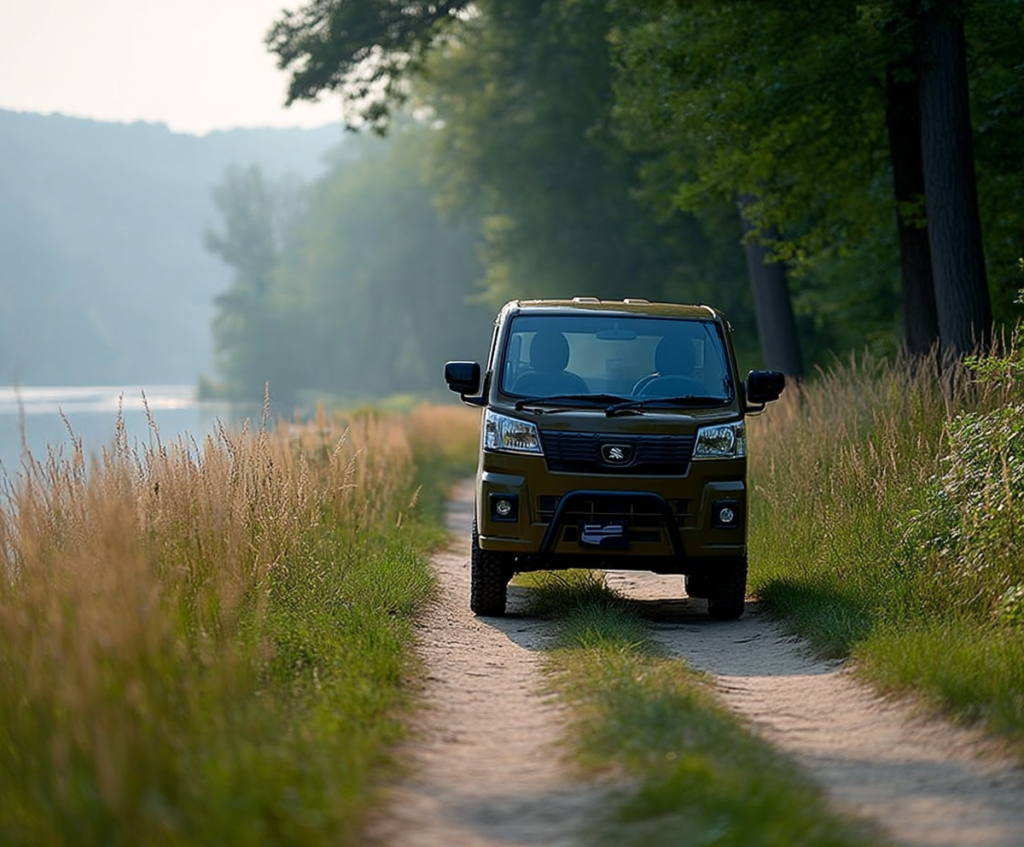
Where Kei Trucks Are Used
Farming
Kei trucks remain a familiar tool in Japanese agriculture because their narrow width, tight turning radius, and open cargo bed fit small fields and rural roads. Exact usage varies by region and farm type, so this guide avoids assigning a single national percentage.
Because farmland is often spread across multiple small plots, farmers need a vehicle that can make frequent short trips efficiently. Kei trucks aren’t optional in this context. They’re essential tools that shape how agricultural work actually gets done.
Construction and Job Sites
In small-scale construction and maintenance work, access matters more than size.
A kei truck can:
- Enter tight spaces full-size pickups can’t reach
- Unload quickly without complex maneuvering
- Turn around easily on narrow access roads
For independent contractors and small businesses, that efficiency often outweighs raw hauling capacity. A larger truck might carry more, but it can’t always get to where the work is.
Local Business and Delivery
Kei trucks aren’t built for long-distance freight, but they excel in local logistics.
Common users include:
- Small retailers
- Repair shops
- Agricultural co-ops
- Mobile vendors
In rural Japan, one kei truck often handles both business and daily life — a level of dual-use that no full-size truck can match cost-effectively.
Everyday Rural Mobility
Outside major cities, kei trucks double as personal transportation. Short distances, narrow roads, and practical needs make them a natural fit for daily use.
They’re not just work vehicles. They’re part of the rural lifestyle.

How the Market Is Changing
Japan’s kei truck market isn’t simply growing or shrinking — it’s evolving.
- Total ownership is gradually declining
- But dependency among core users remains strong
This means fewer buyers overall, but more serious, purpose-driven users. The casual ownership segment is shrinking; the essential ownership segment is holding steady.
Aging User Base
One major shift is demographic.
- Roughly half of farm users are now 70 years or older
- The average age of agricultural workers in Japan is around 69
This changes what matters in a vehicle. It’s no longer just about durability and price — it’s about usability and safety for an aging core user base.
Safety Is Now a Priority
Modern kei trucks increasingly emphasize:
- Collision mitigation braking
- Pedestrian detection
- Acceleration control systems
These aren’t luxury features. They directly support real-world users, especially older drivers who rely on these vehicles daily. For more on how this safety push is shaping current models, see the Daihatsu Hijet Truck Update and Mitsubishi Minicab Truck 2026 Update.
Electrification: Slow but Inevitable
EV adoption in the kei truck segment is cautious. Why?
- Cost sensitivity in commercial use
- Payload concerns with current battery technology
- Charging limitations, especially in rural areas
Kei trucks are tools, not status symbols. Buyers in this segment don’t replace working vehicles just because EVs are trendy.
Still, the shift has begun. Models like Suzuki’s electric light commercial vehicles show where the market is heading — gradually, not suddenly. For a closer look, see Suzuki Tests Electric Kei Truck on Farms.
Why Kei Trucks Still Make Sense
Japan’s working conditions haven’t changed:
- Narrow roads
- Small job sites
- Aging workforce
- Persistent labor shortages
If anything, these factors make kei trucks more relevant than before. When fewer people are doing more work, efficiency matters more than ever.
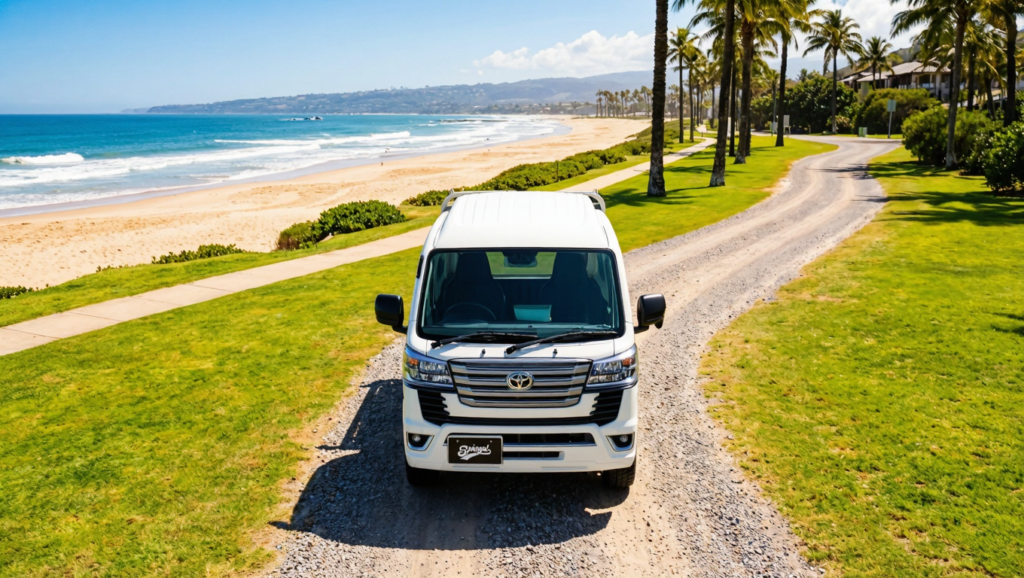
Kei Trucks vs. Other Options
Understanding the differences between vehicle categories is key to choosing the right tool.
Kei Truck
- Open bed for tools, materials, and messy loads
- Best for active outdoor and farm work
- Maximum versatility for varied tasks
Kei Van
- Enclosed cargo space
- Better for deliveries and weather-sensitive loads
- More mixed-use friendly
Larger Trucks
- More power and payload capacity
- Less maneuverable in tight environments
- Higher cost to buy, fuel, and maintain
Choose based on actual use — not image or expectations.
Who Should Consider a Kei Truck?
Kei trucks are an excellent fit if you:
- Need a compact work vehicle
- Operate in tight or rural environments
- Make frequent short trips throughout the day
- Value low operating cost over maximum capacity
Who Should Think Twice?
A kei truck may not be ideal if you:
- Drive long highway distances regularly
- Need high-speed performance
- Carry multiple passengers often
- Require enclosed cargo space for weather-sensitive loads
FAQ
Why are kei trucks common on Japanese farms? Many farms use small, fragmented plots connected by narrow roads. A kei truck combines compact dimensions with a practical open bed, although the best vehicle still depends on the farm, terrain, and load.
Are kei trucks losing popularity in Japan? Total ownership is gradually declining, but dependency among core users (farmers, contractors, small businesses) remains strong. The market is shifting from casual to purpose-driven ownership.
Why is electrification slow in the kei truck segment? Kei trucks are working tools, not status purchases. Cost sensitivity, payload concerns, and rural charging limitations make buyers cautious. Adoption will grow, but gradually.
How does Japan’s aging population affect kei trucks? About half of agricultural kei truck users are now 70 or older. This is driving demand for advanced safety features like collision mitigation and pedestrian detection in modern models.
Why should North American buyers care about Japan’s kei truck market? The vehicles becoming eligible for U.S. import under the 25-year rule in the late 2040s and 2050s are being shaped right now by Japan’s domestic priorities — safety, efficiency, and electrification.
Final Takeaway
Kei trucks aren’t just small trucks — they’re purpose-built solutions. They exist because they solve real-world problems efficiently. And that’s exactly why they’re gaining attention outside Japan.
For North American buyers, the real question isn’t “Is it small?”
It’s: does it fit your use case better than a full-size truck?
For a growing number of American owners, the honest answer is yes.
Disclaimer
This guide is for general information only and is not legal advice. Kei truck regulations vary significantly by state and change over time. Always confirm current requirements with your local DMV before purchasing, registering, or operating a kei truck on public roads.
Sources
- Japan Ministry of Agriculture, Forestry and Fisheries — Official Statistics
- Japan Mini Vehicles Association — Mini-Vehicle Sales Data
- NHTSA — Importation and Certification FAQs
- EPA — Learn About Importing Vehicles and Engines
Last verified against the linked official sources: July 2026
Next Steps
Why People Enjoy Customizing Kei Trucks
How Kei Trucks Are Imported to the U.S. (And Why They’re Becoming Popular)
Mitsubishi Minicab Truck 2026 Update: What’s New
Daihatsu Hijet Truck Update: Smarter Safety & Changes
Suzuki Tests Electric Kei Truck on Farms — Real-World Results